


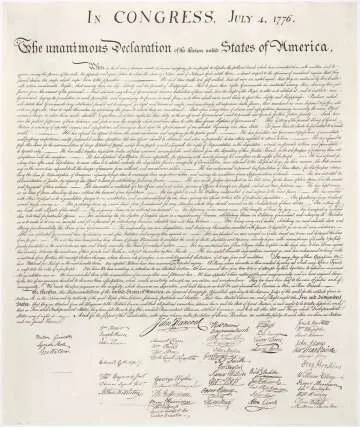
A Historic Turning Point: The First Vote on the Declaration of Independence
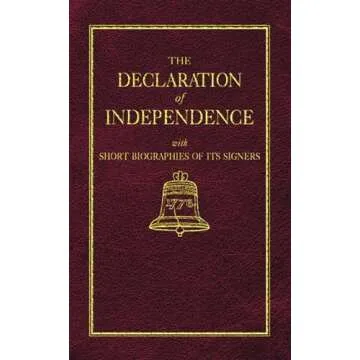
On July 1, 1776, a momentous event took place in the history of the United States: the first vote on the Declaration of Independence was held in the Continental Congress. This vote marked a pivotal step towards the United States' separation from British rule. A growing sentiment among the colonies had led to calls for independence, and this decisive vote was a crucial move in the quest for freedom.
The Significance of the Declaration of Independence
The Declaration of Independence was drafted primarily by Thomas Jefferson and proclaimed the thirteen American colonies as independent from British rule. The first vote was not merely a formality; it was an expression of the revolutionary spirit sweeping through the colonies. Delegates debated not only the practical implications of independence but also the moral justification for such a bold move.
The Continental Congress and the Vote
On that fateful day, delegates from several colonies gathered in Philadelphia, feeling the weight of history upon their shoulders. The initial vote revealed deep divisions but also a growing consensus for independence. While the final vote on independence would take place later, what transpired on July 1 set the stage for a larger conversation about liberty and self-governance.
Echoes of History: The Path Towards Independence
The first vote was part of a larger series of events that unfolded in the days to come. Following intense debates and considerations, the Congress would ultimately pass the resolution for independence on July 4, 1776, leading to the official adoption of the Declaration.
The Influence of Enlightenment Ideas
The ideological foundations of the Declaration drew heavily from Enlightenment philosophers such as John Locke and Jean-Jacques Rousseau. Their ideas on natural rights, government by consent, and the right to revolution fueled the delegates’ arguments and created a compelling vision for a free nation.
The Legacy of the First Vote
The first vote on the Declaration of Independence paved the way for the eventual establishment of the United States of America. It symbolized the colonies' collective desire for autonomy and set a precedent for future democratic processes. The legacy of this courageous step continues to inspire movements for liberty across the globe.
Fun Fact
A Surprising Moment in Congress
During the first vote on independence, several delegates were undecided and even changed their minds at the last minute. This illustrates the intense pressure and significant weight that the decision held, not just for the present, but for generations to come.
Additional Resources
Recommended Reading on the Declaration of Independence
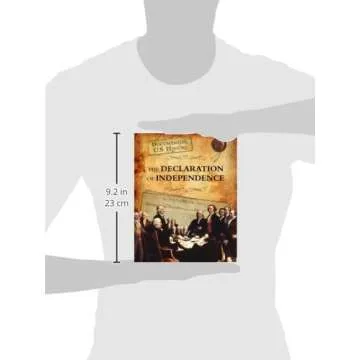
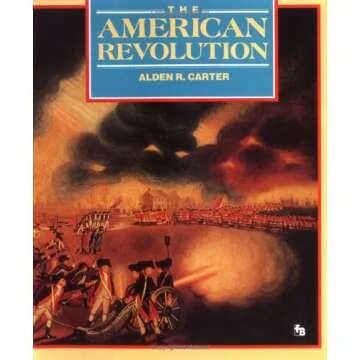
For those interested in exploring this pivotal document further, consider reading The Declaration of Independence: A Global History by David Armitage and The American Revolution: A History by Gordon S. Wood. Both provide valuable insights into the creation and implications of the Declaration.







 Continue with Google