


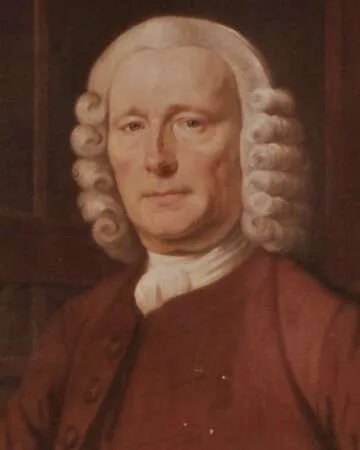
Who Was John Harrison?
John Harrison (1693-1776) was an extraordinary English carpenter and clockmaker, best known for his pioneering work in the field of *marine chronometry*. Born in Foulby, Yorkshire, England, Harrison transformed the way navigators could calculate their position at sea. Before his innovations, sailors struggled to determine longitude, which was a crucial aspect of maritime navigation.
Harrison’s Early Life and Career
Harrison began his career as a simple carpenter, but his passion for precision mechanics soon led him to clockmaking. His diligence and innovative spirit compelled him to design a series of increasingly sophisticated timepieces. By the time he reached adulthood, Harrison was not just an artisan; he was a visionary, dedicated to solving one of the greatest challenges facing navigators of his time.
The Challenge of Calculating Longitude
Before the advent of Harrison's marine chronometer, sailors relied on celestial navigation, which involved complex calculations that were often imprecise. The inability to determine *longitude* accurately was a significant factor in maritime disasters. Harrison’s commitment to developing a reliable timekeeping device would eventually change the course of navigation history.
The Revolutionary Marine Chronometer
Harrison’s most significant achievement came with the invention of the *marine chronometer*, a timepiece capable of keeping accurate time while enduring the difficult conditions at sea. This remarkable innovation allowed sailors to calculate their longitudinal position more accurately than ever before.
The Invention Process of the Marine Chronometer
After years of painstaking work, Harrison unveiled his first successful marine chronometer, H1, in 1735. He continued to refine his designs, culminating in H4, which accurately calculated longitude within remarkable precision. This innovation was tested during voyages that solidified its capabilities and earned Harrison the respect and acknowledgment he long desired.
Recognition and Legacy
Although Harrison faced much skepticism and bureaucratic challenges, his determination eventually led to the recognition he deserved. He received a monetary award from the British government for his contributions to navigation. Harrison's work paved the way for future advancements in timekeeping and navigation, truly marking him as a trailblazer in the field.
Fun Fact
John Harrison’s Interesting Fact
Despite his groundbreaking contributions to navigation, John Harrison battled to gain recognition for his inventions during his lifetime. Interestingly, his marine chronometers were not only a feat of engineering but also works of art that caught the attention of many prominent figures of the time, including kings and scientists alike.
Additional Resources
Recommended Reading on John Harrison
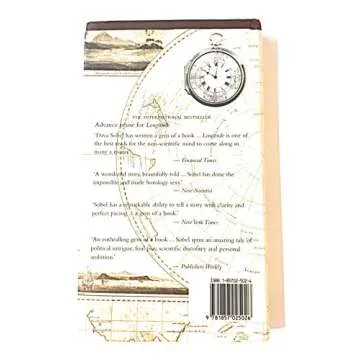
For those interested in diving deeper into the life of John Harrison, consider reading “Longitude: The True Story of a Lone Genius Who Solved the Greatest Scientific Problem of His Time” by Dava Sobel, which provides a compelling narrative of his life and inventions.






 Continue with Google