


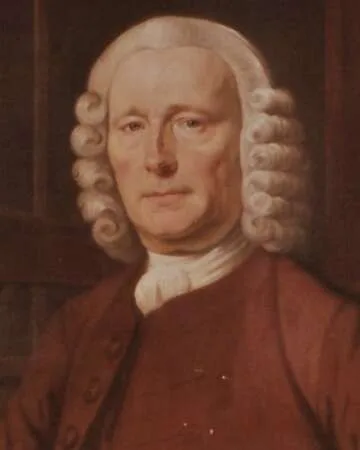
The Momentous Trial of 1737
The year 1737 marked a significant milestone in maritime navigation with the granting of £500 by the British Commissioners of Longitude to the self-taught clockmaker John Harrison. This funding was in recognition of Harrison's successful trial of his remarkable invention, a marine chronometer that would revolutionize the way sailors determined their position at sea.
Before this groundbreaking event, navigating the open seas was fraught with difficulties. Mariners relied heavily on celestial navigation, which was often inaccurate due to the complexities of measuring longitude. Harrison’s innovative timekeeping device offered a more reliable method, enabling captains to ascertain their longitudinal position with unprecedented precision.
John Harrison's Innovative Clock
The clock developed by John Harrison, known as H1, was initially tested on a voyage to the Caribbean. It was a significant advancement over previous timekeeping devices, which were susceptible to varying temperatures and movements of the ship. Harrison’s design could withstand these challenges, demonstrating remarkable accuracy.
The Impact of the Longitude Clock
The successful trial of Harrison's clock not only earned him monetary support but also laid the groundwork for future innovations in navigation technologies. It established a new standard for marine timekeeping, which was essential for safe and navigating long sea voyages.
A Turning Point for Navigation
The 1737 trial was a critical turning point in the quest to solve the problem of determining longitude at sea. The board's support of Harrison’s clock underscored the importance of innovation in solving practical problems faced by sailors.
Harrison’s Legacy
John Harrison’s perseverance and ingenuity challenged the established norms of naval navigation. His legacy lives on, with modern chronometers and GPS systems tracing their roots back to the principles he established.
Recognition of Longitudinal Measurement
The recognition of Harrison’s work also influenced subsequent navigation policies, highlighting the need for accurate timekeeping in maritime operations. It played a pivotal role in the eventual establishment of international maritime laws and standards.
Fun Fact
John Harrison’s Interesting Contribution
Interestingly, Harrison was not formally trained as a clockmaker; his expertise was self-taught. His passion and determination led him to challenge conventional methods of navigation against all odds.
Additional Resources
Recommended Reading on John Harrison
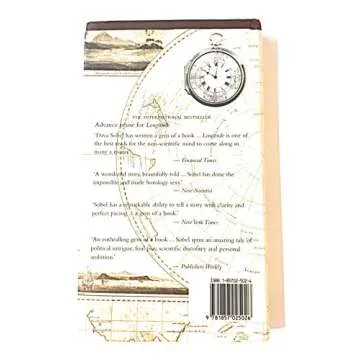
For those interested in exploring this subject further, consider reading "Longitude: The True Story of a Lone Genius Who Solved the Greatest Scientific Problem of His Time" by Dava Sobel or "The Clockmaker's Daughter" by Kate Morton for an engaging narrative.




 Continue with Google