


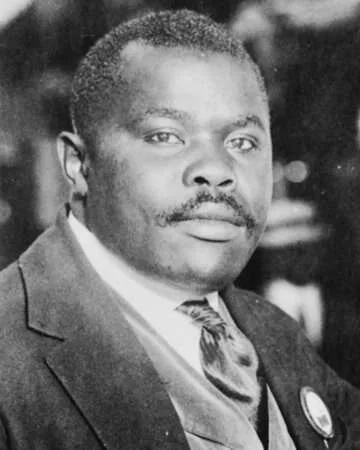
The Life and Legacy of Marcus Garvey
Born on August 17, 1887, in Saint Ann's Bay, Jamaica, Marcus Garvey emerged as a significant figure in the history of black nationalism. He is best known for his role as a leader of the **Back-to-Africa movement**, an initiative that aimed to encourage African Americans to return to their ancestral homeland. Garvey’s efforts left a lasting impact on the African diaspora and the subsequent civil rights movements.
Garvey's journey began modestly in Jamaica, where he was raised in a family of modest means. His early experiences shaped his vision for a united Africa and the empowerment of people of African descent worldwide. After relocating to the United States, he established the Universal Negro Improvement Association (UNIA) in 1914, which quickly grew into one of the largest black mass movements of the time.
Marcus Garvey's Vision and Ideals
Garvey’s vision was grounded in the idea of self-determination for African people. He believed that African Americans could not find true freedom or equality in a racially discriminatory society and thus encouraged the establishment of a **black nation in Africa**. His famous motto, "Africa for the Africans," epitomized his belief that those of African descent must unify and return to their roots, effectively challenging the status quo.
The Back-to-Africa Movement
The **Back-to-Africa movement** served as a rallying cry for many black Americans during the early 20th century. Garvey promoted this idea through media outlets, including newspapers and public speeches, advocating for an economic and social return to Africa. In 1919, he launched the “Black Star Line,” a shipping company aimed at facilitating the transport of black Americans to Africa. Despite facing numerous challenges, this endeavor was a testament to his commitment to his cause.
Challenges and Triumphs of Marcus Garvey
Despite his profound impact, Garvey's path was not free of obstacles. His views often put him at odds with other civil rights leaders who favored integration rather than separation. His controversial methods and strong rhetoric sometimes alienated potential allies.
Imprisonment and Its Effects
In 1923, Marcus Garvey was convicted of mail fraud, a controversial charge widely considered politically motivated. He served time in prison, yet his imprisonment could not diminish the fervor of his followers. Upon his release, he was deported to Jamaica, where he continued to promote his ideals until his death in 1940.
The Lasting Influence of Garvey's Ideals
Marcus Garvey's influence can be seen in later movements that advocate for the rights of African Americans and people of African descent globally. His emphasis on self-reliance and empowerment continues to resonate today, reminding activists of the importance of cultural identity and unity.
Fun Fact
Marcus Garvey’s Interesting Legacy
Did you know that Marcus Garvey was a prolific writer and orator? His speeches and writings not only inspired the African American community but also influenced several key figures in the civil rights movement, including Malcolm X and Martin Luther King Jr.
Additional Resources
Recommended Reading on Marcus Garvey
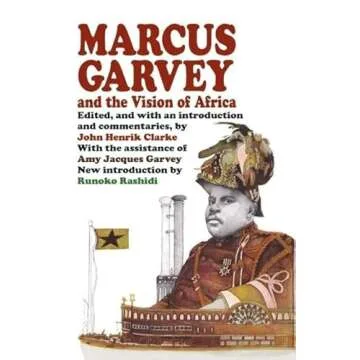
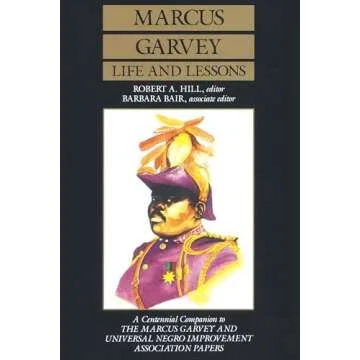
To learn more about Marcus Garvey and his significant contributions, consider reading "Marcus Garvey: Life and Lessons" by J. A. Rogers and "Garvey and Garveyism" by Angela Davis. These books provide deeper insights into his revolutionary thoughts and the personal struggles of this influential leader.





 Continue with Google