


The Birth of Charles Macintosh
Charles Macintosh’s Early Life
Charles Macintosh was born in 1776 in Glasgow, Scotland. Growing up in a city renowned for its industrial innovations, Macintosh was deeply influenced by the scientific advancements of his time. His passion for chemistry would later lead him to become a pivotal figure in the development of waterproof fabric.
Education and Early Career
Macintosh’s education in chemistry began at an early age, where he showed significant promise. He later trained as a chemist, and through his studies, he began experimenting with different materials. His early experiences and scientific curiosity fueled his innovation in fabric treatment that would change rainwear forever.
Innovation in Waterproof Fabric
The Invention of Waterproof Coating
In the early 19th century, Charles Macintosh invented a method for bonding layers of cotton fabric with rubber, creating the first practical waterproof fabric. This groundbreaking invention was patented in 1823, allowing raincoats and other protective clothing to be worn comfortably in wet conditions.
The Impact of Macintosh’s Invention
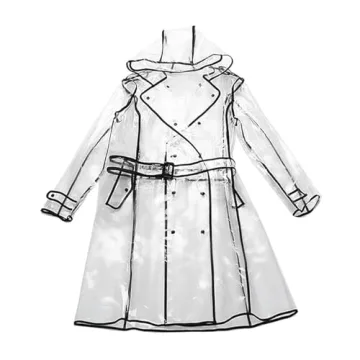
Macintosh's waterproof fabric revolutionized outerwear, ensuring dry and comfortable clothing during inclement weather. His invention not only made significant advances in the textile industry but also influenced fashion and functionality in everyday wear. The Macintosh coat, named after him, became a staple for rainy climates.
Fun Fact
Interesting Fact About Charles Macintosh
Did you know that the term "Macintosh" in modern lexicon also refers to the raincoat or rainwear made from his waterproof fabric? This clever tie between his name and his invention showcases his lasting legacy in both science and fashion.
Additional Resources
Recommended Reading on Charles Macintosh
For those interested in learning more about Charles Macintosh and his contributions, consider reading The Raincoat: A History by Sarah Bright and The Science of Textiles by Mark O’Del. These books provide deeper insights into the impact of his work on modern textiles.








 Continue with Google