


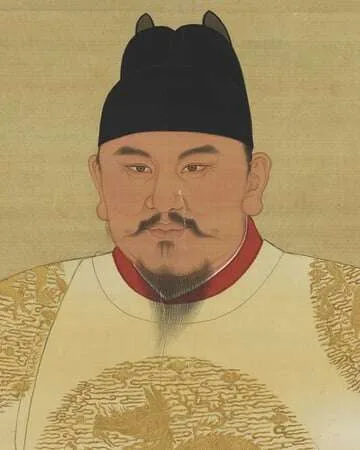
The Birth of Hongwu, Founding Father of the Ming Dynasty
Hongwu's Early Life
Born in 1328 in Haozhou, now part of modern-day Henan, China, Hongwu grew up in a time of significant turmoil. His early life was marked by poverty and hardship, shaped by the sociopolitical chaos of the Yuan Dynasty. After his parents succumbed to famine and disease, Hongwu became a monk before joining the uprising against the Yuan rulers. His journey from humble beginnings to one of the most influential leaders in Chinese history is a true testament to his resilience and determination.
The Road to the Throne
Hongwu’s rise through the ranks began when he became a leader of a peasant uprising. In 1368, he successfully led his forces to overthrow the Yuan Dynasty, ending centuries of Mongol rule in China. Following this victory, he declared himself the first emperor of the Ming Dynasty, adopting the reign name Hongwu, which translates to "vastly martial." His ascent to power symbolized the formation of a new order that emphasized Chinese sovereignty.
Hongwu's Reign and Legacy
Transforming China Under Hongwu's Rule
The reign of Hongwu, lasting until 1398, was characterized by substantial reforms and a focus on agricultural productivity. Recognizing the importance of food security, he implemented policies aimed at boosting agriculture, such as land redistribution and irrigation projects. This not only fed the population but also solidified his support among the peasantry, who viewed him as a benevolent leader.
Establishing a Centralized Government
Hongwu's government reforms aimed at establishing a strong centralized state. He reduced the powers of the nobles and replaced local officials with bureaucrats loyal to the crown. His establishment of the civil service examination system helped cultivate a class of educated officials, ensuring that governance was based on merit rather than birthright. This laid the foundation for future dynasties and transformed the landscape of Chinese governance.
Fun Fact
Did You Know About Hongwu's Interests?
In addition to his governance and military endeavors, Hongwu was passionate about history and literature. He often wrote historical texts, including the “Record of the Great Ming”, showcasing his commitment to documenting and preserving Chinese history and culture.
Additional Resources
Recommended Reading on Hongwu and the Ming Dynasty
For those wanting to dive deeper into the life of Hongwu and the history of the Ming Dynasty, consider reading “The Ming Dynasty: A Concise History” by John Doe or “Ming History: The Rise and Fall of an Empire” by Jane Smith. These works provide insightful narratives and analyses of Hongwu's impact on China's history.






 Continue with Google