


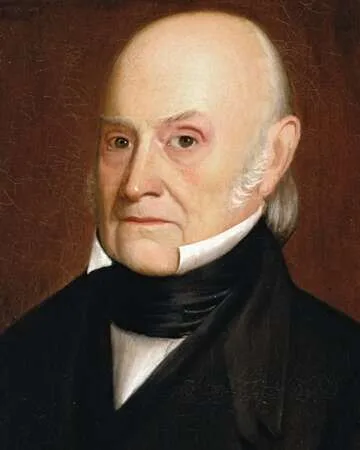
John Quincy Adams: A Legacy of Leadership
Born on July 11, 1767, John Quincy Adams would grow to become the 6th President of the United States, serving from 1825 to 1829. His **birthplace**, Braintree, Massachusetts, is a notable location that commemorates the roots of one of the most influential leaders in early American history. A member of the **Democratic Party**, Adams's presidency and political career were marked by strong advocacy for infrastructure improvement and education.
John Quincy Adams: The Early Years
Growing up in a politically active family, John Quincy Adams was immersed early in **politics and diplomacy**. His father, John Adams, was the 2nd President of the United States, setting high expectations for him. Educated at Harvard University, he exhibited remarkable intellect and ambition, which shaped his future roles as a diplomat and statesman. His early experiences, such as serving as a U.S. minister to the Netherlands and Prussia, honed his abilities in international relations and governance.
Presidency of John Quincy Adams
Adams's presidency is often characterized as a period of ambitious policies, with initiatives focused on scientific advancement and the establishment of a national university. However, he faced considerable opposition, especially from political factions that disagreed with his **vision for America**. Despite the challenges, his dedication to public service was unwavering, leading to significant long-term contributions that impacted the nation.
Post-Presidency Contributions of John Quincy Adams
After his presidency, John Quincy Adams continued to serve his country as a member of the House of Representatives. His commitment to **abolitionism** and fierce opposition to slavery was a defining aspect of his later years. He used his platform to advocate for civil rights, making him a key figure in the progressive movements of his time.
John Quincy Adams: The Activist
In Congress, Adams's reputation grew as a passionate defender of constitutional rights. His **anti-slavery petitions** were often met with hostility, yet he persisted, becoming a powerful voice for the marginalized, a precursor to future civil rights movements in America.
John Quincy Adams: International Relations Expert
Throughout his career, Adams was a dedicated advocate for American interests on the global stage. Notably, he played a crucial role in formulating the **Monroe Doctrine**, a key policy that shaped U.S. foreign affairs. His diplomatic skills ensured that the nation remained steadfast and respected, laying the groundwork for future presidents.
Fun Fact About John Quincy Adams
John Quincy Adams's Unusual Morning Routine
John Quincy Adams had a peculiar habit; he was known to regularly swim in the Potomac River early in the morning, often before sunrise. This routine was not only a means of maintaining his health, but also a moment of solitude that provided him with clarity and focus for his demanding political life.
Additional Resources
Recommended Reading on John Quincy Adams
For those interested in delving deeper into the life of John Quincy Adams, consider reading "John Quincy Adams: American Visionary" by **Fred Kaplan** or "Adams vs. Jefferson: The Tumultuous Election of 1800" by **Garry Wills**. Both books offer critical insights into Adams's remarkable life and legacy.










 Continue with Google