


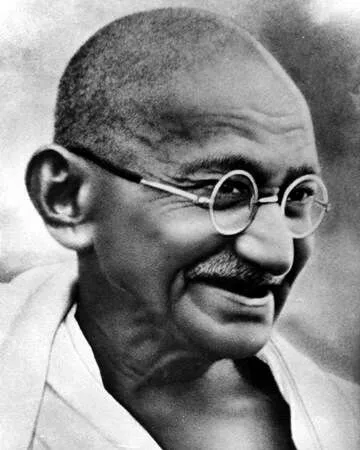
Who Was Mahatma Gandhi?
Mahatma Gandhi's Early Years
Mahatma Gandhi, born on October 2, 1869, in Porbandar, located in the present-day Gujarat, India, was an influential figure in the Indian independence movement. His journey began as a law student in London, where he encountered various cultural ideas that shaped his philosophy of non-violence and civil disobedience.
The Life and Influence of Mahatma Gandhi
Throughout his life, Gandhi evolved into a formidable leader, advocating for social reforms and addressing issues like poverty, discrimination, and the plight of the untouchables. He is famously known for his commitment to non-violent resistance and the principle of satyagraha, which stands for truth-force or soul-force.
Mahatma Gandhi's Legacy
Impact on Indian Independence
Gandhi played a crucial role in mobilizing the Indian population against British rule. His campaigns, such as the Salt March in 1930, showcased his ability to unite people for a common cause, ultimately leading to India’s independence in 1947. He emphasized self-sufficiency and encouraged the nation to spin its own cloth as a rejection of British goods.
A Lasting Spiritual Legacy
Even after his assassination on January 30, 1948, Mahatma Gandhi's teachings continue to challenge and inspire movements worldwide. His messages of peace and non-violence resonate through various cultures, advocating for justice through peaceful means.
Fun Fact
Mahatma Gandhi's Favorite Food
Interestingly, Mahatma Gandhi was a staunch vegetarian, believing in the principles of ahimsa (non-violence), which led him to adopt a lifestyle that reflected his values towards all living beings.
Additional Resources
Recommended Reading on Mahatma Gandhi
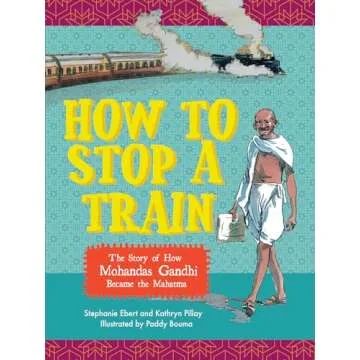
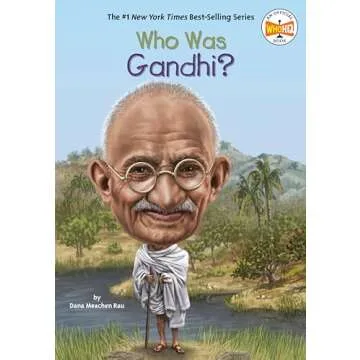
For deeper exploration into Gandhi's life and philosophy, consider reading "The Story of My Experiments with Truth", his autobiography, which provides insights into his spiritual journey and thoughts on social issues.









 Continue with Google