


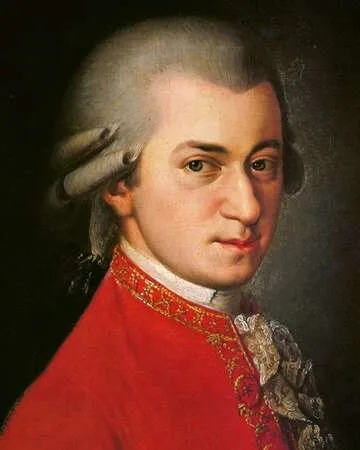
Unveiling the Genius of Wolfgang Amadeus Mozart
Wolfgang Amadeus Mozart is often hailed as one of the most influential composers in the history of Western music. Born on January 27, 1756, in the picturesque city of Salzburg, Austria, Mozart exhibited extraordinary musical abilities from a remarkably young age. As a child prodigy, he began writing music at the tender age of five, showcasing a brilliance that would soon capture the attention of European nobility.
Throughout his short life, which came to a tragic end on December 5, 1791, Mozart's compositions spanned a wide range of genres, including symphonies, operas, chamber music, and choral works. Among his most celebrated pieces is the Marriage of Figaro, an opera that remains a staple in theaters worldwide, and the Jupiter Symphony, which stands as a testament to his unmatched mastery in orchestral composition.
Wolfgang Amadeus Mozart's Operatic Brilliance
One of Mozart’s most renowned works, the Marriage of Figaro, first premiered in 1786, is celebrated not just for its beautiful melodies but also for its intricate characters and compelling storylines. The opera, based on a play by Pierre Beaumarchais, deftly highlights themes of love, betrayal, and social class, all intricately woven into the enchanting music Mozart composed.
Understanding the Jupiter Symphony
Another pivotal composition, the Jupiter Symphony (Symphony No. 41), completed in 1788, is often regarded as Mozart’s greatest symphonic achievement. Its grandeur combines innovative counterpoint and dynamic melodies, earning it the nickname "the King of Symphonies." The Jupiter Symphony represents the zenith of Mozart's compositional skill and creativity.
Impact and Legacy of Mozart
Mozart's influence on classical music is unparalleled. His ability to convey emotion through music laid the groundwork for future composers and profoundly shaped the evolution of Western classical music. Even today, Mozart's works continue to inspire musicians and delight audiences worldwide. His contributions cemented his legacy as a cornerstone of the classical music canon.
A Lasting Influence on Classical Music
The innovations introduced by Mozart not only enriched his compositions but also influenced the works of subsequent composers, including Ludwig van Beethoven and Franz Schubert. His blending of lyrical beauty with structured form remains a model for musicians, making him a timeless fixture in the world of classical music.
Exploring Mozart’s Diverse Portfolio
From operas like The Magic Flute to piano concertos and chamber music, Mozart’s diverse portfolio showcases his versatility as a composer. Each piece reflects his keen understanding of harmony and emotion, making his music universally appealing and enduring through centuries.
Fun Fact: Mozart’s Impressive Output
Remarkable Compositions
In his brief 35 years, Mozart composed over 600 works, including 41 symphonies, numerous operas, and various concertos. His prolific nature is a profound reminder of his unparalleled genius and dedication to music.
Additional Resources
Recommended Reading on Mozart
For those interested in delving deeper into the life and works of Wolfgang Amadeus Mozart, the following readings are recommended: "Mozart: A Life" by Maynard Solomon and "The Life and Times of Mozart" by Paul Johnson. These books offer intricate insights into Mozart’s life, his musical genius, and the historical context in which he created.
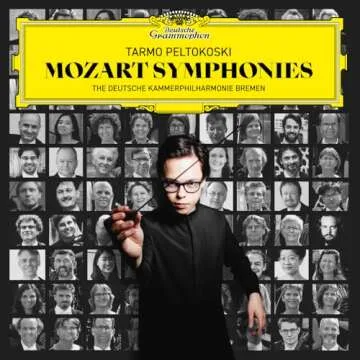
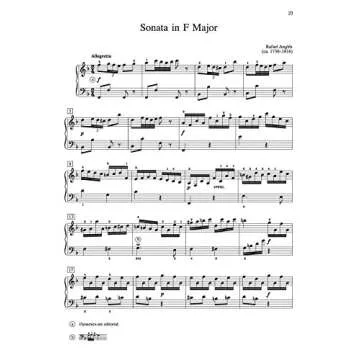
![Amadeus (Director's Cut) [Blu-ray Book] - Award-Winning Music Drama](https://assets.giftpals.com/assets/uc/Gift/ZWLwCyWHYGTH/1/thumbnail_default_1.webp?K93H7JeN6FTR)




 Continue with Google