


The Historic Premiere of Marriage of Figaro
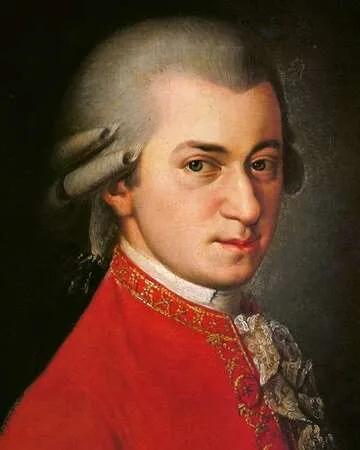
The Marriage of Figaro, an opera composed by the legendary Wolfgang Amadeus Mozart, premiered on May 1, 1786, at the Burgtheater in Vienna. This remarkable event marked a significant moment in the history of classical music and opera. It is widely regarded as one of Mozart's most acclaimed operas, notable for its complex characters and intricate melodies. In addition to the gorgeous music, the opera is based on a play by Beaumarchais, which challenges the social norms of the time through its engaging narrative and themes of love, jealousy, and class struggle.
Wolfgang Amadeus Mozart and His Genius
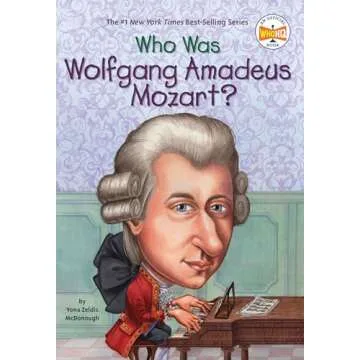
Wolfgang Amadeus Mozart was born on January 27, 1756, in Salzburg, Austria. Renowned as a child prodigy, he began composing music at an exceptionally young age. The Marriage of Figaro reflects his extraordinary ability to combine profound emotional depth with technical mastery. By the time of its premiere, Mozart had already established himself as one of the most important composers of his era.
The Storyline of Marriage of Figaro
The opera tells the story of Figaro and Susanna, who are preparing to marry but must navigate the lustful advances of Count Almaviva. They, alongside a colorful cast of characters, engage in a series of comedic misunderstandings and clever schemes throughout the opera, leading to a delightful conclusion. The narrative structure and character development showcased in Marriage of Figaro are pivotal characteristics that provide a commentary on the social dynamics of 18th-century Europe.
Cultural Impact and Legacy
The impact of the Marriage of Figaro goes beyond just its musical brilliance; it has become a vital part of the operatic repertoire. The opera is celebrated for its engaging plot and memorable arias, and it is considered a significant work in the theatre of its time. The premiere was a collaborative triumph, with Mozart conducting the orchestra himself, showcasing his multifaceted talents.
Figaro's Resonating Themes
The themes explored in Marriage of Figaro extend beyond love and jealousy; they also touch upon themes of class, freedom, and human folly. These enduring subjects have allowed the opera to remain relevant, as audiences today can still relate to its humorous yet poignant exploration of relationships.
The Enduring Popularity of Marriage of Figaro
Since its premiere, the Marriage of Figaro has been performed in numerous opera houses around the world. Its charming narrative, combined with Mozart's unmatched musicality, continues to captivate audiences, ensuring that it is a staple in opera's rich history.
Fun Fact
Figaro’s Interesting Twist
One interesting fact about the Marriage of Figaro is that it was controversial at the time due to its portrayal of the aristocracy and the freedom of the lower classes, leading to debates about class relations in early 19th-century Europe.
Additional Resources
Recommended Reading on Marriage of Figaro
For those interested in diving deeper into this masterpiece, consider reading The Marriage of Figaro: A Comic Opera in Four Acts and Mozart: A Life. These books offer insights into Mozart's life, creativity, and the cultural climate of his time, enriching the understanding of this beloved opera.




 Continue with Google