


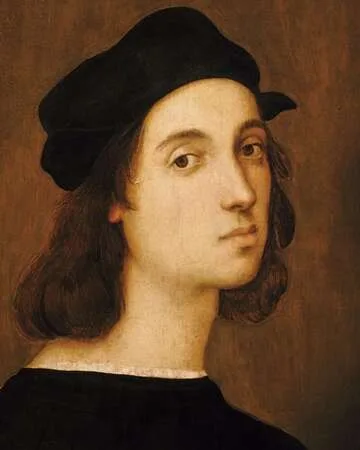
The Visionary Life of Raphael
Born on April 6, 1483, in the scenic town of Urbino, located in the Duchy of Urbino, Raphael quickly grew to become one of the seminal figures of the Italian Renaissance. His artistic prowess and innovative techniques not only influenced his contemporaries but also left a lasting legacy on future generations of artists. Among his most celebrated works are the majestic Sistine Madonna and the iconic School of Athens, each showcasing his exceptional skill in composition and depth of emotion.
Raphael's Early Life in Urbino
Raphael was born into a family steeped in the arts. His father, Giovanni Santi, was a painter himself, which undoubtedly ignited Raphael's passion for art from a young age. Growing up in Urbino, a cultural hub during the Renaissance, shaped his artistic vision and opened avenues for gaining invaluable mentorship and early exposure to various artistic styles.
The Rise of a Renaissance Master
As he honed his skills, Raphael traveled through Italy, absorbing diverse influences and styles. His encounter with the works of masters like Leonardo da Vinci and Michelangelo propelled him to refine his understanding of human emotion and perspective, which became hallmarks of his serene and harmonious compositions.
The Legacy of Raphael’s Art
Raphael's contributions to the art world were profound, particularly through his innovative use of perspective and his ability to convey narrative through imagery. His paintings often explored themes of harmony, beauty, and spiritual enlightenment, appealing to both the intellect and the emotions.
The Sistine Madonna: A Masterpiece
The Sistine Madonna, painted between 1512 and 1513, stands out as one of Raphael’s most revered works. Commissioned for the church of San Sisto in Piacenza, this painting features the Virgin Mary holding the Christ Child, flanked by saints, creating a divine portrayal that captivates viewers with its elegance and grace.
The School of Athens: A Testament to Knowledge
Another significant work, the School of Athens, painted between 1509 and 1511, represents a gathering of great philosophers and thinkers, including Plato and Aristotle, in a grand architectural setting. This fresco symbolizes the ideals of the Renaissance—celebrating knowledge and the pursuit of wisdom.
Fun Fact
Raphael's Lasting Impact
Interestingly, Raphael not only excelled in painting but also in architecture. He served as the chief architect for the Vatican, demonstrating his versatility and deep understanding of the arts.
Additional Resources
Recommended Reading on Raphael
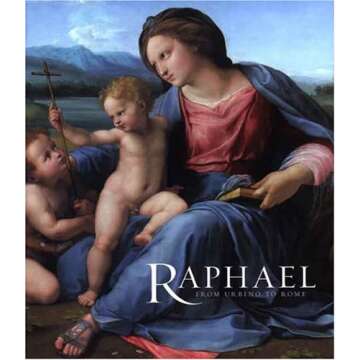
For those eager to delve deeper into Raphael’s life and work, consider reading “Raphael: A Critical Life” by Rona Goffen and “Raphael: The Masterpieces” by Peter Humfrey, both of which provide fascinating insights into his artistic journey and influences.




 Continue with Google