


The Magnificent Sistine Chapel Ceiling
Michelangelo's Ceiling: A Work of Art
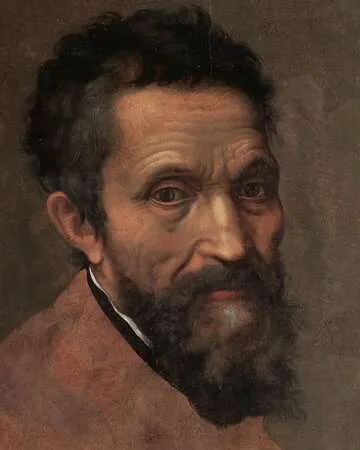
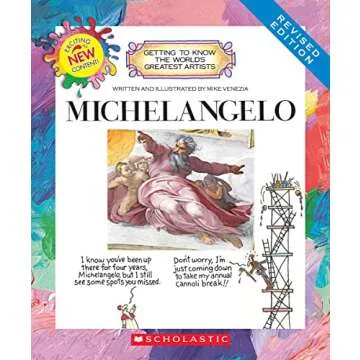
The Sistine Chapel ceiling, painted by the renowned artist Michelangelo, is one of the most iconic masterpieces in art history. Completed in 1512, this monumental work features over 300 figures that depict scenes from the Bible, with the most famous being the Creation of Adam. Commissioned by Pope Julius II, Michelangelo’s vision transformed the chapel into a visually stunning tableau that reflects the Renaissance's artistic brilliance.
Symbolism and Impact of Michelangelo's Work
Each scene on the Sistine Chapel ceiling is rich with intricate symbolism and narratives. The artworks illustrate themes of creation, judgment, and redemption, aiming to inspire viewers about the divine. Michelangelo’s dynamic figures and dramatic compositions not only showcase his masterful technique but also set a new standard for artistic expression in Western art.
Historical Context of the Sistine Chapel Ceiling
The Commission and Challenges Faced by Michelangelo
Michelangelo faced immense challenges while working on the ceiling, including physical strain and creative pressure. The project took approximately four years to complete, during which Michelangelo worked on scaffolding high above the chapel. His commitment to perfection is evident in the meticulous details and vibrant colors that characterize the ceiling. This laborious endeavor would later define not only his career but also the course of Renaissance art.
The Unveiling of the Ceiling
Upon its unveiling in 1512, the Sistine Chapel ceiling captivated audiences and established Michelangelo as a preeminent artist of the time. The immediate acclaim garnered by the stunning frescoes ensured the chapel's significance within the Vatican and its continuing influence on art and culture worldwide.
Fun Fact
Michelangelo’s Unconventional Painting Method
Interestingly, Michelangelo did not paint the Sistine Chapel ceiling in the traditional manner of brushing on wet plaster. Instead, he employed a technique known as fresco, where he painted on dry plaster, which was risky as it required precise timing and execution.
Additional Resources
Recommended Reading on Michelangelo
For those interested in exploring more about Michelangelo and his masterpieces, consider reading "The Agony and the Ecstasy" by Irving Stone and "Michelangelo: His Epic Life" by Martin Gayford. These works delve deeper into the life and artistry of one of history's greatest artists.




 Continue with Google