


Introduction to Rudolph Jakob Camerarius
On February 12, 1665, history welcomed an influential figure in the field of botany: Rudolph Jakob Camerarius. Born in Tübingen, within the Holy Roman Empire, Camerarius made groundbreaking contributions that have significantly shaped our understanding of plant reproduction and sexuality. His pioneering work not only expanded scientific knowledge but also laid the groundwork for the study of plant biology.
Rudolph Jakob Camerarius: The Botanist
Camerarius is renowned for his innovative studies of the sexual reproduction of plants. He was among the first to propose that **plants have sex**, which was radical for its time. By meticulously observing flowering plants, he established that the male and female structures co-exist and play distinct roles in reproduction, which challenged the prevailing ideas of the time.
Impact of Camerarius' Work on Botany
His research culminated in the publication of a treatise titled De Sexu Plantarum (On the Sex of Plants) in 1694. This work was instrumental in elevating the importance of botanical studies and inspired future generations of botanists and biologists to delve deeper into the intricate world of plant life. Camerarius' foundational ideas are still relevant in modern botany.
Legacy of Rudolph Jakob Camerarius
Despite his passing in 1721, the legacy of Rudolph Jakob Camerarius lives on. His methods and findings established standards for botanical research and set the stage for a deeper scientific inquiry into the biological world around us.
Camerarius and Modern Botany
Today, Camerarius is often credited as a pioneer in the field of plant sexuality studies. His work influenced many subsequent thinkers and botanists, contributing to the spread of knowledge that ultimately led to the understanding of genetics in plants.
Continuing Influence of Camerarius' Ideas
The ideas brought forth by Camerarius continue to resonate in the field of botany. The principles derived from his studies helped define modern taxonomy and reproductive biology within plants, emphasizing the crucial understanding of their life processes.
Fun Fact
Rudolph Jakob Camerarius’ Interesting Fact
Interestingly, Rudolph Jakob Camerarius was not only a botanist but also practiced medicine, bridging the gap between plant science and human health. His multifaceted interests showcase the interconnectivity of natural sciences during the era.
Additional Resources
Recommended Reading on Rudolph Jakob Camerarius
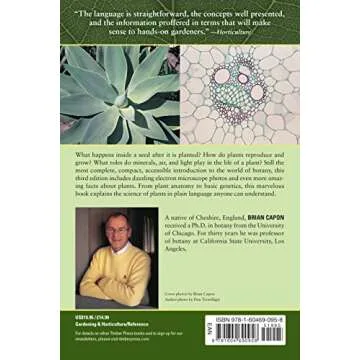
For those intrigued by Camerarius and his contributions to botany, consider reading "The Botany of Desire" by Michael Pollan or "Botany for Gardeners" by Brian Capon, which provide deeper insights into the relationship between humans and plants.












 Continue with Google