


Willem Kalf: A Pioneer of Still Life Painting
The Birth of Willem Kalf
Willem Kalf was born in 1619 in the vibrant city of Rotterdam, Netherlands. He would later become one of the most renowned Dutch painters, celebrated for his extraordinary still life paintings. Kalf's artistic journey began in the Dutch Golden Age, a period marked by profound developments in art, commerce, and culture.
Kalf's Impact on Still Life Art
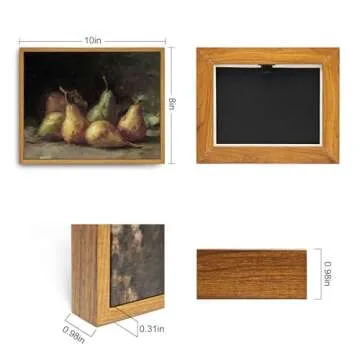
As a talented artist, Kalf was particularly known for his sophisticated use of light, texture, and composition, which brought his still lifes to life. His paintings often featured luxurious objects like fine glassware, fruits, and rich fabrics, reflecting the wealth and trade of his time. Through his work, Kalf set new standards in still life painting, influencing countless artists who followed.
Willem Kalf's Artistic Legacy
Evolution of Style
Throughout his career, Kalf displayed a unique evolution in style, adapting to changing artistic trends while maintaining his distinctive flair. His use of dramatic lighting and rich color palettes led to a greater exploration of realism, making everyday objects appear almost extraordinary. This transformation offered viewers a glimpse into the opulent world that existed during his lifetime.
Willem Kalf's Influence on Future Generations
Kalf continued painting until his death in 1693, leaving behind a legacy that resonates today. His works are still celebrated in museums worldwide, including the Rijksmuseum in Amsterdam. Kalf's unique approach to still life opened doors for future artists, establishing a foundation upon which modern still life would build.
Fun Fact
Willem Kalf’s Iconic Painting
One of his most famous works, “Still Life with a Drinking Horn”, showcases not only his skill but also the opulence of the Dutch Golden Age. This piece encapsulates the lavish lifestyle of that era, making it a significant historical artifact.
Additional Resources
Recommended Reading on Willem Kalf
For those interested in exploring more about this master artist, consider reading “Willem Kalf: A Life in Art” and “Dutch Still Life in the Golden Age”. Each of these texts delves deeper into Kalf's artistry and the cultural context of his work.



 Continue with Google