


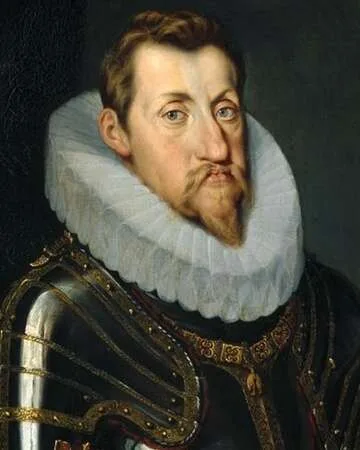
The Rise of Ferdinand II in European History
Ferdinand II, born on July 9, 1578, in Graz, Austria, emerged as one of the key figures during a tumultuous period in European history. As the king of Bohemia and Hungary and later the German Emperor from 1619 to 1637, his reign witnessed significant political and religious upheavals. Ferdinand's steadfast commitment to the Catholic Church and the Habsburg dynasty's interests defined his governance and influenced numerous events leading to the Thirty Years' War.
Ferdinand II's Early Life and Political Ascension
Ferdinand was born into the powerful Habsburg family, an influential lineage in Central European politics. After completing his education, he quickly climbed the political ladder, becoming the Duke of Styria and then King of Bohemia after his cousin's abdication. His ascension changed the political landscape of the region, as he sought to restore Catholic dominance, often resulting in conflicts with Protestant factions.
Ferdinand II's Role in the Thirty Years' War
Ferdinand's reign is notably marked by the outbreak of the Thirty Years' War in 1618, a devastating conflict rooted in religious tensions between Catholics and Protestants. His determination to impose Catholic rule ignited resistance among Protestant states in the Holy Roman Empire, leading to a broader confrontation that resulted in widespread devastation across Europe. Ferdinand's strategies during this war, including the use of alliances and military force, showcased his complex role as a monarch navigating the challenges of his time.
Ferdinand II's Enduring Impact on the Habsburg Empire
Though Ferdinand II's reign concluded with his death on February 15, 1637, his influence continued to shape historical narratives in Europe. His efforts in unifying Bohemia and maintaining Habsburg control contributed to the eventual consolidation of the imperial power that would last for centuries.
Ferdinand II's Influence on Habsburg Stability
Ferdinand II's policies emphasized the restoration and rule of Catholicism in his territories, leading to the eventual stabilization of the Habsburg dynasty. His confrontations with Protestant forces and the military campaigns he undertook significantly altered the power dynamics within Europe, demonstrating the ramifications of his reign on future generations.
Legacy of Ferdinand II Beyond His Death
The legacy of Ferdinand II extends into various aspects of European history, particularly regarding the ongoing influences of the Catholic Church and the Habsburg lineage in political affairs. His legacy is instrumental in understanding the long-term effects of religious wars and the eventual establishment of state powers influenced by sovereign authority.
Fun Fact
Interesting Tidbit about Ferdinand II
Did you know that Ferdinand II was not only a ruler but also a passionate patron of the arts? His court in Prague was noted for its vibrant culture, contributing to the Baroque style's emergence during his reign, reflecting the interplay of politics and artistic expressions in that era.
Additional Resources
Recommended Reading on Ferdinand II
For those wanting to delve deeper into the life and legacy of Ferdinand II, consider books like "Ferdinand II of the House of Habsburg" and "Thirty Years' War: A German Perspective" for comprehensive insights into his influence on European history.











 Continue with Google