


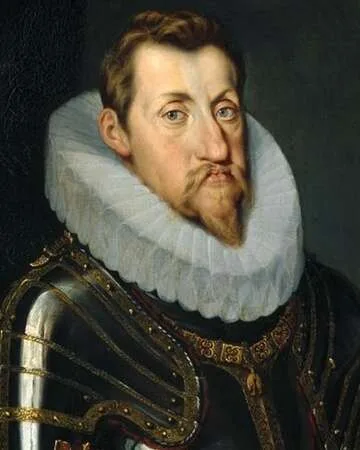
The Demand for Conversion in Austria
In 1628, a significant event unfolded in the heart of Central Europe during the turbulent times of the Thirty Years' War. Emperor Ferdinand II, a staunch supporter of Catholicism, issued a demanding decree that required all Protestants in Austria to convert to the Catholic faith. This decree reflected not only his personal convictions but also the broader political and religious conflicts that were tearing Europe apart during this period.
The Thirty Years' War (1618-1648) was a series of conflicts primarily fought in the Holy Roman Empire, deeply rooted in the struggle between Protestant and Catholic states. Ferdinand II's decision to demand conversion was a pivotal moment as it illustrated the lengths to which Catholic rulers would go to reassert dominance over Protestant populations. His edict heightened tensions and mirrored the larger battles of faith and power being fought across the continent.
Emperor Ferdinand II's Religious Agenda
Ferdinand II, born in 1578, ascended to the throne with a vision of restoring Catholic supremacy across his realm. His rule was characterized by a strict adherence to Catholic doctrine, leading to intense clashes with Protestant reformers. This decree demanding conversion was a clear statement of his resolve to reunite the fragmented empire under the banner of Catholicism. The edict drew criticism and resistance from many Protestant communities, marking a dark chapter in the religious strife of the era.
Impact on Protestant Communities
The imposition of religious conformity had disastrous effects on Protestant communities in Austria. Many inhabitants faced persecution and were forced to abandon their beliefs, leading to migrations and the establishment of Protestant enclaves elsewhere in Europe. This demand for conversion was seen not just as a religious act but as a political maneuver, signaling Ferdinand's intentions to quash any dissent within his territories.
The Wider Implications of the Conversion Demand
Ferdinand II's decree did not merely affect Austria but resonated throughout Europe, exacerbating the existing conflicts of the Thirty Years' War. The insistence on Catholic uniformity acted as a flashpoint for violence, leading to heightened military engagements and ultimately contributing to the war's protracted duration.
The Role of External Powers
As resistance to the conversion decree grew, external powers such as Denmark and Sweden became involved, supporting the Protestant cause. These interventions marked a significant escalation of the Thirty Years' War, turning a civil conflict into a broader religious war that engulfed much of Europe in devastation.
Long-Term Consequences for Austria
The repercussions of Ferdinand II's demand for conversion were felt long after the decree was issued. The subsequent Treaty of Westphalia in 1648 would eventually bring an end to the Thirty Years' War, allowing for greater religious toleration but with lasting impacts on the political map of Europe. Austria emerged from the conflict irrevocably altered both in terms of demographics and its religious landscape.
Fun Fact
Ferdinand II's Interesting Fact
Fun fact: Despite his strong stance on Catholicism, Ferdinand II was also known for his strategic alliances, often placing political stability above strict religious adherence.
Additional Resources
Recommended Reading on Emperor Ferdinand II
If you're interested in learning more about Emperor Ferdinand II's life and impact, consider reading "The Thirty Years' War: A Sourcebook" by Peter H. Wilson and "Ferdinand II, Counter-Reformation Emperor" by Michael J. F. B. Steele for deeper insights.










 Continue with Google