


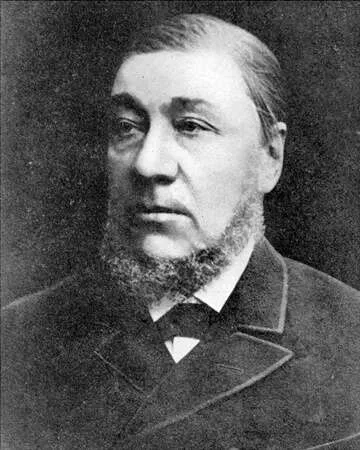
Paul Kruger: A Symbol of Boer Resilience
Who Was Paul Kruger?
Born in Steynsburg, Cape Colony in 1825, Paul Kruger rose to prominence as the 3rd President of the South African Republic. He was an influential figure, playing a critical role in the Boer resistance during the Second Boer War (1899-1902), which pitted the Boer republics against the British Empire. His leadership and determination made him an emblem of resistance for many Boers in South Africa.
Kruger's Political Journey
Throughout his political career, Kruger fought to preserve the independence of the South African Republic against British imperialistic pressures. His presidency, which lasted from 1883 to 1900, was marked by efforts to maintain the rights and freedoms of the Boer people, solidifying his legacy as a staunch advocate for their cause.
Paul Kruger's Influence During the Second Boer War
Leadership in Crisis
As the conflict escalated in 1899, Kruger's leadership became increasingly crucial. His ability to unite the Boer factions and rally support from various communities showcased his skills as a leader in times of crisis amid the British invasion, which sought to control the gold-rich Boer republics.
Legacy of Resistance
Despite facing significant challenges during the war, including eventual defeat, Paul Kruger's legacy endured. He became a symbol of African resistance against colonialism, representing the fierce spirit and determination of the Boer people to retain their autonomy.
Fun Fact
Paul Kruger’s Unique Title
Interestingly, Paul Kruger was affectionately known as "Oom Paul" by the Boer population, which translates to "Uncle Paul," highlighting his paternal role and the deep respect he garnered among his people.
Additional Resources
Recommended Reading on Paul Kruger
For those interested in exploring more about Paul Kruger, consider reading "Paul Kruger: His Life and Times" or "The Boer War: 1899-1902" for comprehensive insights into his challenging life and the era in which he lived.





 Continue with Google