


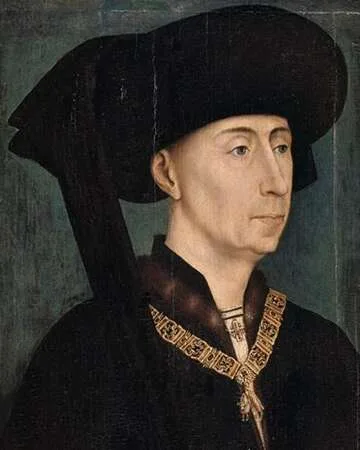
Unraveling the Legacy of Philip the Good
Philip the Good, born in Dijon, Burgundy in 1396, was a significant figure in medieval Europe, reigning as the Duke of Burgundy from 1419 until his death in 1467. As a ruler, Philip was known for his exceptional political acumen and his ability to navigate the turbulent waters of European politics during the Hundred Years' War. Under his leadership, the Burgundian state grew immensely in power and wealth, making him one of the most influential figures of his time.
Philip's reign was marked by his efforts in diplomacy and conflict. He was skilled in forming alliances, which significantly expanded Burgundy's territories. His marriage to Isabella of Portugal further enhanced his political clout. Philip the Good’s court became a beacon of cultural vibrancy, attracting artists and scholars, thus leaving an indelible mark on the cultural landscape of Europe.
Philip the Good’s Early Life and Challenges
Philip was born during a pivotal time in European history. Growing up amidst the struggles of his father, Duke John the Fearless, and the ensuing conflicts with the French crown, he was groomed for leadership. These early experiences influenced his later strategic approaches in governance. It was during his youth that he developed skills in both warfare and diplomacy that would serve him well in his future role as Duke.
Governance and Expansion of Burgundy
Once he ascended to the throne, Philip focused on solidifying and expanding the Burgundian state. His reign witnessed annexations of territories like Flanders and Brabant, significantly increasing the influence of Burgundy. Philip’s alliances and political maneuvering allowed him not only to maintain peace on his borders but also to expand his dominion.
Cultural Impact of Philip the Good
Beyond his political ambitions, Philip the Good was a fervent patron of the arts. He understood the importance of culture in enhancing his legacy. The Burgundian court under his rule became synonymous with artistic innovation. This period saw the flourishing of Flemish painting, music, and literature, contributing to the Renaissance's onset.
The Arts Under Philip the Good
Philip commissioned numerous works from renowned artists, such as Jan van Eyck. His court was a hub for painters, sculptors, and musicians, leading to what is often referred to as the Burgundian Renaissance. This unique blend of art and statecraft not only decorated his palaces but also fortified his standing among rival European monarchs.
Impact on history
Philip the Good's policies and achievements laid the foundation for the future of Burgundy and influenced the trajectory of European history. His skillful balancing of power and culture set precedents for future leaders, showcasing how governance could be intertwined with cultural patronage.
Fun Fact
Philip the Good’s Interesting Fact
Did you know that Philip the Good was a significant figure in the establishment of the Burgundian Order of the Golden Fleece? This prestigious order was founded to promote chivalry and unity among European nobility, further enhancing Philip's influence across the continent.
Additional Resources
Recommended Reading on Philip the Good
For those interested in delving deeper into the life and times of Philip the Good, check out The Burgundian Netherlands by R. H. Hilton and Philip the Good: The History of a Duke and his Era by John Houtsma. These books paint a vivid picture of his impact on European history.






 Continue with Google