


The Early Life of Philip the Bold
On July 15, 1342, history welcomed one of its remarkable figures, Philip the Bold, the future Duke of Burgundy. Born in the picturesque town of Pontoise, France, Philip was the son of King John II of France. His noble lineage set the stage for a life marked by significant political power and cultural influence.
Growing up in the courts of France, Philip was surrounded by the intricate dance of politics and diplomacy. His upbringing within a royal family provided him with the necessary education and connections that would later play a crucial role in his governance and territorial ambitions.
Philip the Bold's Ascension to Dukedom
Philip’s transition to power is closely linked to his marriage in 1369 to Margaret III of Flanders, which solidified his claim on the territories within the Low Countries. As Duke of Burgundy from 1363 until his death in 1404, he effectively expanded the influence of his duchy. His reign marked the beginning of the rise of the Burgundian State, which would become a powerful entity in late medieval Europe.
The Cultural Flourishing Under Philip's Rule
Philip the Bold’s reign was not just about political strategies; it was also a time of great cultural nourishment. He was a patron of the arts, encouraging the growth of literature, fashion, and music in Burgundy. This cultural flourishing attracted artists and writers from across Europe, making his court one of the most vibrant of the time.
The Legacy of Philip the Bold
Philip the Bold's legacy extends beyond his political conquests; he was instrumental in establishing Burgundy as a formidable power. His descendants, particularly through his son John the Fearless and grandson Philip the Good, continued his work of expanding and consolidating Burgundian territories.
The Political Impact of Philip the Bold
Phillip’s astute matrimonial alliances showcased his skills as a political strategist, which were essential in navigating the complex landscape of European politics during the Hundred Years' War. His ability to form alliances through marriage significantly strengthened Burgundy’s position.
Cultural Contributions of Philip the Bold
Through his patronage, Philip fostered a unique Burgundian culture that integrated influences from various regions, significantly impacting the artistic direction of Europe in the late 14th century. This era in Burgundy became synonymous with the richness of the arts, notably in painting and tapestry.
Fun Fact about Philip the Bold
Did You Know? Philip the Bold Discovered Burgundy’s Wine Industry
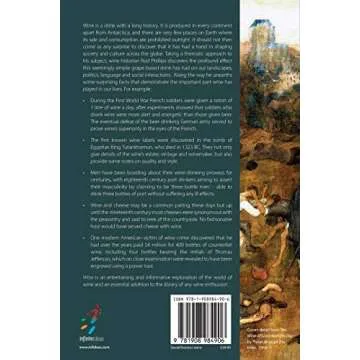
Among his contributions, Philip the Bold played a significant role in the development of the wine industry in Burgundy, which is now one of the most renowned wine-producing regions in the world. His encouragement of the viticulture transformed the local economy and positioned Burgundy as a key player in European wine trade.
Additional Resources
Recommended Reading on Philip the Bold
For those interested in digging deeper into the life of Philip the Bold, consider reading "The Dukes of Burgundy: A History of Duke Philip the Bold" and "Burgundy's Royal Heritage", which offer detailed insights into his political maneuvers and cultural contributions.




 Continue with Google