


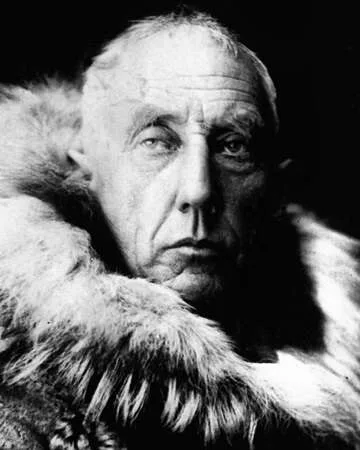
The Legacy of Roald Amundsen
Born on July 16, 1872, in Borge, Østfold, Norway, Roald Amundsen emerged as one of the most notable figures in the world of exploration. His contributions as a polar explorer are nothing short of extraordinary, pioneering remarkable expeditions that forever changed our understanding of the polar regions. Amundsen's most significant achievement came in December 1911 when he and his team became the first to reach the South Pole. This monumental event not only showcased his skills as a navigator and leader but also marked a crucial milestone in the age of exploration.
Roald Amundsen's Historic Journey to the South Pole
In a daring race against British explorer Robert Falcon Scott, Roald Amundsen set out for the South Pole in October 1911. Armed with his knowledge of previous expeditions and a deep respect for polar conditions, Amundsen adopted a rigorous route and preparation, making use of sledges and dogs, which proved vital for survival. On December 14, 1911, Amundsen successfully planted the Norwegian flag at the South Pole, triumphantly claiming victory for his team over unimaginable odds and harsh weather.
The Impact of Amundsen's Success
The impact of this expedition extended beyond national pride. Amundsen's meticulous planning and successful use of strategies for polar travel set new standards for future explorations. His win against Scott, who reached the pole a month later but tragically perished on the return journey, illuminated the dangers of inadequately prepared expeditions.
Amundsen's Life Beyond the Pole
Following his historic achievement, Roald Amundsen continued to explore uncharted territories. His relentless pursuit of adventure led him to the Arctic and the Northwest Passage, further solidifying his position as one of the great explorers of his time.
Adventures in the Arctic
After successfully reaching the South Pole, Amundsen embarked on a series of Arctic expeditions, including a notable journey to traverse the Northwest Passage in 1903-1906. This led to crucial insights into the geography and ice conditions of the polar regions, significantly contributing to maritime navigation and exploration.
The Tragic End of Roald Amundsen
Amundsen's life came to a tragic end when he disappeared in 1928 during a rescue mission over the Arctic. His last expedition remains a testament to his adventurous spirit and unwavering commitment to exploration—his legacy lives on as an inspiration for current and future adventurers.
Fun Fact: The Explorer Who Spurred Popular Fascination
Roald Amundsen's Contribution to Modern Exploration
Did you know that Roald Amundsen's successful expedition to the South Pole changed the course of exploration history? His meticulous strategies and strong leadership have inspired countless explorers and adventurers since, establishing frameworks that are still in use today for polar expeditions.
Additional Resources
Recommended Reading on Roald Amundsen
For a deeper dive into the life of Roald Amundsen, consider reading "The Last Viking: The Life of Roald Amundsen" by Fritz K. Neumann and "Roald Amundsen: The Conqueror of the South Pole" by David A. Smith. These compelling accounts provide greater insight into his remarkable journeys and the character of the man who defied the odds.








 Continue with Google