Sorting Out the New South City: Race, Class, and Urban
Development in Charlotte, 1875-1975 is a thought-provoking
study that delves deep into Charlotte, North Carolina's
transformative years. This illuminating work explores the
intertwined facets of race, class, and urban development, providing
readers with a comprehensive understanding of how societal
structures shaped the city from the post-Civil War era to the
mid-20th century. Authored by a respected historian, this book is
not just a...
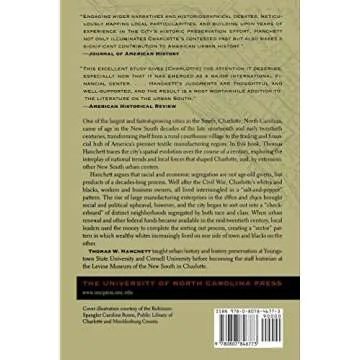
Show more Sorting Out the New South City: Race, Class, and Urban Development in Charlotte, 1875-1975 is a thought-provoking study that delves deep into Charlotte, North Carolina's transformative years. This illuminating work explores the intertwined facets of race, class, and urban development, providing readers with a comprehensive understanding of how societal structures shaped the city from the post-Civil War era to the mid-20th century. Authored by a respected historian, this book is not just a recount of historical events; it is a detailed analysis of the socio-economic dynamics that influenced the metropolitan landscape of Charlotte.
This used edition, while in good condition, offers enriched perspectives from various community stakeholders during periods of significant upheaval and change. The pages are filled with insights that reflect the cultural and economic shifts that took place—making it essential reading for anyone interested in urban studies, Southern history, or social justice.
- Comprehensive Historical Analysis: Delve into a meticulously researched narrative that covers over a century of Charlotte's development.
- Societal Perspectives: Gain insights from diverse viewpoints that illustrate how race and class intersected in urban planning and development.
- Well-Structured Arguments: The author presents compelling arguments supported by evidence, contributing to a richer understanding of Charlotte's historical landscape.
- Accessible Language: Written for a broad audience, this book invites both academic and casual readers to engage with critical historical themes.
- Respected Authoritative Voice: The author’s expertise in urban development and racial dynamics lends credibility to the analysis presented in this work.
Target Audience
- Students and scholars of history, especially those focusing on urban studies.
- Individuals interested in civil rights and social justice movements.
- Residents and community activists of Charlotte who want to understand their city's history better.
- Readers seeking a well-rounded perspective on the development of Southern cities.
- Historians looking for primary sources and case studies related to urban development and race.
Best Occasions to Use This Gift:
Whether you're gifting it to a fellow history buff or a student of social sciences, this book is perfect for:
- University course assignments on urban studies or Southern history.
- Discussions around social justice and historical inequality.
- Book club selections focusing on regional histories and societal themes.
- Personal libraries for anyone keen on understanding the evolution of American cities.
Comparison with Competitors
In a sea of historical texts, Sorting Out the New South City stands out due to its focused analysis of Charlotte. Unlike many competitor volumes that provide broad overviews, this book zeroes in on the unique interplay of race and class in urban planning, offering detailed case studies and narratives that few other works provide. It strikes a balance between scholarly rigor and engaging prose, making it both informative and accessible for a general audience.
The author’s unique perspective, grounded in extensive research and a nuanced understanding of social dynamics, ensures that readers are not just absorbing facts, but also gaining insight into the implications of historical developments. In comparison, more generalized texts often lack the depth that this work provides, particularly regarding the dynamics prevalent in Southern urban environments.
Why You Will Love This Product?
Discounting the lens of history can profoundly impact our understanding of the present. This book offers an eye-opening exploration that highlights the importance of acknowledging societal shifts and their implications on contemporary life. Readers will appreciate the relatable storytelling and the emotional depth that accompanies these historical analyses, fostering a connection not only with the past but also with the ongoing discussions about race and development in modern society. Embrace the opportunity to enhance your library with a work that challenges and inspires critical thought regarding urban America's evolution.
Less










 Continue with Google