


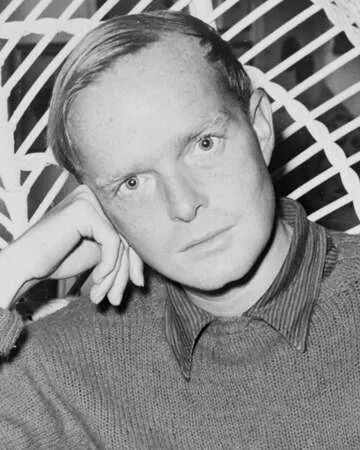
Truman Capote: A Literary Trailblazer
Born on September 30, 1924, in New Orleans, Louisiana, Truman Capote emerged as one of America's most captivating authors. Known for his flamboyant personality and groundbreaking writing style, Capote's contributions to literature are timeless. He gained fame for both his fiction and non-fiction works, most notably Breakfast at Tiffany's and In Cold Blood.
Early Life of Truman Capote
Capote's childhood was far from ordinary. His parents' turbulent marriage led to his mother sending him to live with relatives in Alabama. This experience deeply influenced his writings, as many of his works reflect the complexities of relationships and identity. His early writing showed promise, paving the way for his future literary success.
Truman Capote's Breakthrough
By the 1940s, Truman Capote had established himself as a prominent figure in the literary world. His short story Miriam gained significant attention, and soon after, he published his first novel, Other Voices, Other Rooms, which showcased his unique voice and stylistic flair. Capote's work often revealed his keen observations of high society and the darker aspects of human nature.
Truman Capote's Iconic Works
Capote's literary career was marked by several iconic works that solidified his place in American literature.
Breakfast at Tiffany's
Published in 1958, Breakfast at Tiffany's introduced readers to the unforgettable character Holly Golightly and captured the essence of New York City's glamorous elite. The novella's blend of romance and existential exploration won the hearts of many.
In Cold Blood
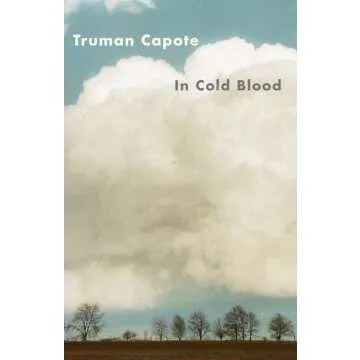
In 1966, Capote published In Cold Blood, a pioneering work that blurred the lines between journalism and fiction. This non-fiction novel recounts the brutal murder of a Kansas family, showcasing Capote's meticulous research and narrative skill, making it a landmark in true crime literature.
Fun Fact
Truman Capote's Unique Style
Despite his success, Capote was notoriously eccentric. He was known for his distinctive voice and wrote with a unique penmanship, famously using his typewriter instead of handwriting. This quirky approach extended beyond writing; his larger-than-life personality captivated those around him, leaving a lasting impression.
Additional Resources
Recommended Reading on Truman Capote
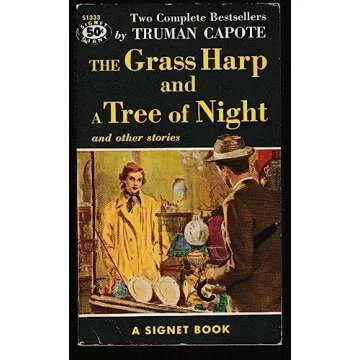
For those eager to explore Capote’s works, consider reading Breakfast at Tiffany's and In Cold Blood for firsthand experience of his genius. Additionally, check out Capote: A Biography by Gerald Clarke for a deeper understanding of his life and influence.





 Continue with Google