


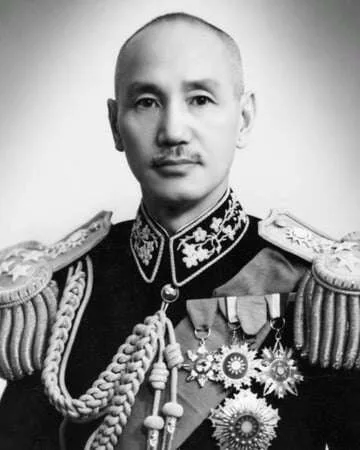
Reliving the Moment: Chiang Kai-shek Takes Office Again
On May 20, 1950, a significant chapter in Taiwanese history unfolded as Chiang Kai-shek formally resumed the presidency of the Republic of China (ROC) in Taiwan. After a tumultuous period marked by the civil war on the mainland and the eventual loss of the Chinese mainland to the Communists in 1949, Chiang's return to leadership was both a symbolic and strategic effort to solidify the ROC's position and governance on the island. His presidency would aim to foster national unity and fortify the defenses of Taiwan against the rising threat of communism.
The events leading to Chiang's return to the presidency were intrinsically linked to the Chinese Civil War, which resulted in the Nationalist government retreating to Taiwan. In facing the mounting challenges on the mainland, Chiang believed that revitalizing his leadership could encourage international support, especially from the United States, as well as unify the varied factions within Taiwan itself.
Chiang Kai-shek's Leadership Style
Chiang Kai-shek was known for his militaristic and authoritarian leadership style. Upon resuming office, he prioritized the establishment of a strong military presence in Taiwan while promoting a fierce anti-Communist ideology. His administration initiated several reforms aimed at stabilizing the economy and reinforcing national identity among the citizens of Taiwan, which had diverse cultural influences due to previous colonial rule.
Chiang's Focus on Anti-Communism
As he took office again, Chiang's staunch opposition to communism became increasingly evident. His government implemented strict security measures and worked closely with the United States to align military strategies against potential threats from the People's Republic of China. This focus on anti-communism not only defined his presidency but also shaped the political landscape of Taiwan for many years to come.
A New Era: The Transition of Power
Chiang Kai-shek's presidency in 1950 marked a transitional period for Taiwan, as his government sought to rebuild its stance after the chaos of the Chinese Civil War. The political environment in Taiwan during this time was characterized by a strong emphasis on military preparedness and economic recovery.
The Rebuilding of Taiwan’s Infrastructure
Chiang’s administration embarked on significant infrastructure projects aimed at modernizing Taiwan. The government initiated agricultural reforms and developed industrial capabilities that would lay the groundwork for Taiwan’s eventual economic miracle. The strategies employed under Chiang's leadership were profound and had long-lasting impacts on Taiwan’s growth.
International Relations under Chiang Kai-shek
At this juncture, establishing and maintaining diplomatic ties became imperative for Chiang's administration. The ROC sought to maintain recognition on the international stage, particularly by strengthening relations with Western nations, especially the United States, which had become a pivotal ally during the Cold War period.
Fun Fact
Did You Know? Chiang's Legacy
Chiang Kai-shek’s rule significantly shaped Taiwan’s trajectory. His administration not only emphasized military defense against the mainland but also influenced Taiwan’s eventual transition to a more democratic society in subsequent decades, creating a complex legacy that remains debated in Taiwan's history today.
Additional Resources
Recommended Reading on Chiang Kai-shek
For those intrigued by the complexities of Chiang Kai-shek's leadership and his impact on Taiwan, consider reading “Chiang Kai-shek: China’s Generalissimo and the Nation He Lost” by Jonathan Fenby and “The Generalissimo: Chiang Kai-shek and the Struggle for Modern China” by Jay Taylor. These books provide in-depth insights into his life, leadership, and the historical context of his presidency.







 Continue with Google