


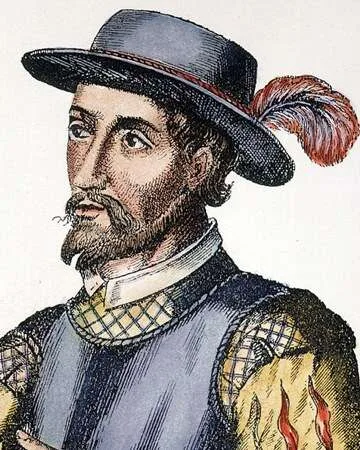
Juan Ponce de León's Historic Voyage
In the year 1513, a pivotal moment in American history unfolded as the Spanish explorer Juan Ponce de León sailed across the Atlantic and became the first known European to set foot on the land we now call Florida. This journey marked not only the European claim of Florida on behalf of Spain but also signified the beginning of a new era of exploration and colonization in the Americas.
Who Was Juan Ponce de León?
Juan Ponce de León was a Spanish explorer born in Santervás de Campos, Spain, around 1460. Initially, he gained war experience during the conquest of the Canary Islands and later the expedition which conquered Puerto Rico. His pursuit of glory and fortune eventually led him to explore Florida. The motivation behind his journey was fueled by the tales of a mythical fountain of youth, which promised rejuvenation and eternal youth.
The Discovery of Florida
Ponce de León embarked on his expedition with three ships seeking new lands and wealth. On April 2, 1513, he landed near the northeastern coast of the peninsula that would later be known as Florida. He named the land "La Florida," which translates to "the flowery one," due to the lush vegetation and flowers he encountered. His landing marked the first documented contact between Europeans and the indigenous peoples of this region.
The Impact of Florida's Claim
The declaration of Florida for Spain had both immediate and far-reaching impacts on world history. It established a European presence in North America and laid the groundwork for subsequent Spanish expeditions. However, it also initiated conflicts with the local tribes, marking the beginning of a tumultuous era for the Native American populations.
European Colonization
Following Ponce de León's journey, Florida would become a focal point for subsequent explorations and colonization efforts by Spain and other European powers. It opened up routes for trade and military expeditions, ultimately leading to the establishment of various Spanish missions in the years to follow.
Cultural Exchange and Conflict
Although Ponce de León's exploration introduced European culture to the indigenous populations, it also brought about significant conflict and hardship. Many native tribes faced displacement and violence as European settlers arrived, changing the landscape and social framework of Florida forever.
Fun Fact
Juan Ponce de León's Interesting Fact
Interestingly, the fabled Fountain of Youth was said to be located in Florida, prompting Ponce de León's quest. However, this legendary spring proved elusive, forever entwining his name with the myths of eternal youth.
Additional Resources
Recommended Reading on Juan Ponce de León
For those interested in diving deeper into the life of Juan Ponce de León, consider reading “The Fountain of Youth: A History” and “Explorers of the New World” for a comprehensive understanding of his journeys and the age of exploration.










 Continue with Google