


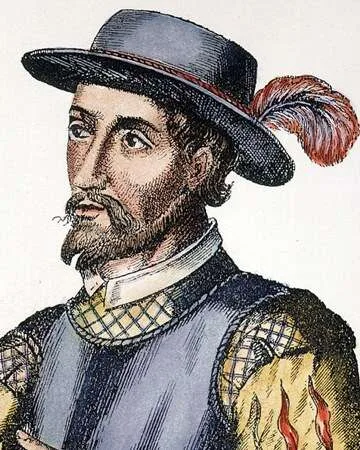
The Historic Birth of Caparra
In the year 1508, under the leadership of Spaniard Juan Ponce de León, Caparra was established as the first European settlement in Puerto Rico. This event marked a significant milestone in the history of the Caribbean, as it laid the foundations for Spanish colonization in the region, leading to transformative changes in the demographic and cultural landscape of Puerto Rico.
The choice for the settlement's location was strategic, selected for its proximity to the ocean and fertile lands. Ponce de León's expedition, commissioned by the Spanish crown, aimed to explore and conquer new territories, tapping into the lucrative resources that the New World promised. Caparra became a hub for Spanish explorers and settlers, setting the stage for future expeditions.
Juan Ponce de León: The Visionary Explorer
Juan Ponce de León played a pivotal role in the founding of Caparra. Originally a soldier and explorer, he had previously accompanied Columbus on his voyages. His ambitions elevated him as the first governor of Puerto Rico, a role in which he oversaw the establishment of this emerging colonial outpost. His legacy is often remembered for his search for the legendary fountain of youth, but his founding of Caparra symbolizes a more profound impact on history.
The Significance of Caparra
Caparra's establishment was not merely a footnote in colonization; it represented Spanish interest in the Caribbean islands, leading to a structured settlement that paved the way for economic exploitation and cultural exchanges. The settlement acted as a launching pad for further conquests and explorations throughout the Caribbean and beyond.
Colonial Expansion and Its Impacts
The founding of Caparra catalyzed a wave of Spanish colonial expansion in the Caribbean. With this first settlement, the Spanish sought to expand their reach and influence, leading to a series of settlements throughout the islands.
The Role of Caparra in Colonial History
After establishing Caparra, the Spanish would go on to colonize other parts of Puerto Rico and the Caribbean, fundamentally reshaping the region's social and cultural fabric. Their presence led to interactions—often marked by conflict—with the indigenous Taíno population.
The Decline of Caparra
Although Caparra laid the groundwork for Puerto Rican colonial history, its location proved eventually to be a disadvantage. Over time, it was abandoned in favor of the more strategically located San Juan, which offered a better harbor. Despite its decline, Caparra remains an essential symbol of the beginning of European influence in Puerto Rico.
Fun Fact
Caparra's Legacy
Despite being abandoned, Caparra's ruins are now a reminder of Puerto Rico's colonial past, showcasing archaeological remains that attract historians and tourists alike who are interested in the early European settlements in the Caribbean.
Additional Resources
Recommended Reading on Caparra
For those interested in diving deeper into Puerto Rico's history, consider reading "Puerto Rico: A Political History" by Jorge Duany, and "The Colonial Encounters in New World History" by Philip K. Lawrence. These works provide valuable insights into the impacts of early settlements like Caparra.





 Continue with Google