


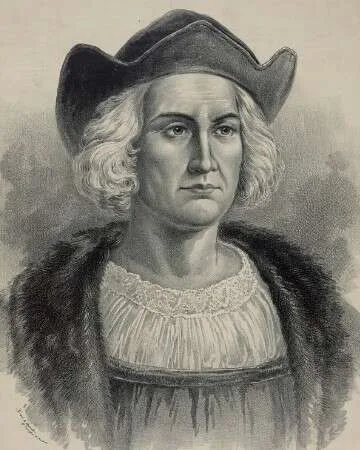
The Discovery of the Cayman Islands
In 1503, during his fourth voyage to the New World, Christopher Columbus became the first European to discover the Cayman Islands. Initially, he named the islands Las Tortugas because of the abundant sea turtles that surrounded them. This significant event marked the beginning of human awareness and interaction with these beautiful Caribbean islands.
Christopher Columbus and the Discovery
Christopher Columbus, an esteemed navigator and explorer from Italy, was on a quest for new trade routes when he stumbled upon the Cayman Islands. As he traveled through the Caribbean Sea, the lush landscape and the abundance of turtles captivated his sailors. This discovery would eventually contribute to European interest in the Caribbean, striking a balance between exploration and conquest.
The Importance of Las Tortugas
Columbus's naming of the islands as Las Tortugas was significant, reflecting the natural beauty and resources that existed there. Sea turtles were a vital source of food and material for the sailors, as well as a strong indicator of the rich biodiversity the islands held. This initial identification contributed to the maritime knowledge that would later influence future expeditions and interactions with the land.
The Legacy of Columbus' Exploration
Columbus's journey in 1503 was a pivotal moment in the history of the Cayman Islands, as it opened the door for European exploration and colonization in the Caribbean region.
Cayman Islands and European Interests
Following Columbus's discovery, the Cayman Islands became an intriguing destination for explorers and merchants. The islands were often viewed as a strategic stopover point for ships sailing between Europe and the Americas. Consequently, this led to an increased interest in their natural resources and overall potential for colonization.
The Cultural Impact of Columbus' Discovery
The impact of Columbus' discovery of the Cayman Islands resonates even today. It laid the groundwork for future settlement and cultural exchanges that would shape the unique identity of the islands. The intertwining of native cultures with European influences created a rich tapestry of history that still flourishes in the Cayman Islands.
Fun Fact
Christopher Columbus’ Interesting Fact
Did you know that Columbus never actually set foot on the Caymans? He viewed the islands from a distance and noted their presence, leading to their eventual naming.
Additional Resources
Recommended Reading on Christopher Columbus
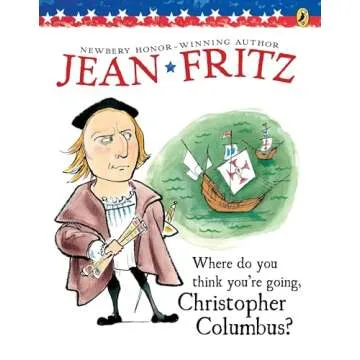
For those interested in learning more about Columbus and his voyages, consider reading "1491: New Revelations of the Americas Before Columbus" by Charles C. Mann, and "The Four Voyages of Christopher Columbus" edited by J.M. Cohen.



 Continue with Google