


The Historic Meeting: Columbus and the Spanish Monarchs
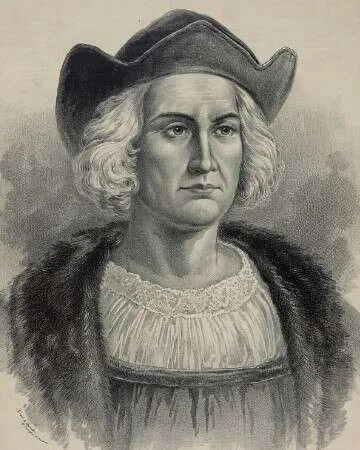
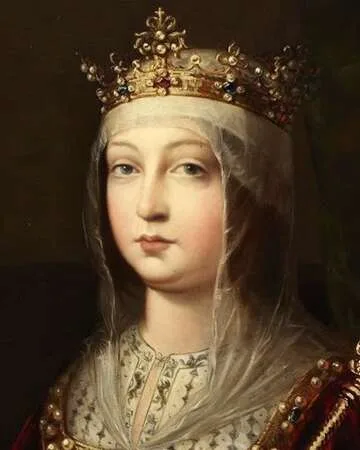
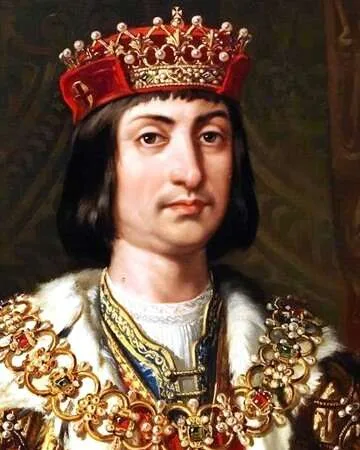
In 1493, a pivotal event unfolded in Barcelona when Christopher Columbus was received by the Spanish monarchs, Isabella I of Castile and Ferdinand II of Aragon. This meeting marked a significant moment in history, as it celebrated Columbus's return from his voyage across the Atlantic, where he first made contact with the Americas. His journey opened the gateway for future exploration and colonization efforts, forever altering the relationship between Europe and the New World.
Christopher Columbus' Remarkable Return
After enduring a perilous journey, Columbus arrived back in Spain laden with the spoils of his explorations. The meeting with Isabella and Ferdinand was a triumph; Columbus had not only discovered new lands but had also brought with him gold, exotic plants, and several indigenous people from the Táino tribe. His reports of untold wealth and new territories excited the monarchs, who were eager to expand their influence and wealth.
The Presentation of the Taínos
One of the most controversial aspects of this meeting was Columbus's decision to present captured Taínos to the Spanish royal court. Although seen as a demonstration of his discovery, this act illustrated the colonial mindset that viewed indigenous people as mere curiosities or subjects of conquest. The presentation further sparked debates about the treatment of native peoples and set the stage for future interactions between Europeans and indigenous populations.
The Legacy of the 1493 Meeting
The meeting of Columbus with Isabella and Ferdinand was not just a moment of celebration but a declaration ofintent. It solidified the Spanish monarchy’s commitment to colonization and exploitation of the New World. The consequences of Columbus's voyages, celebrated at this meeting, had long-lasting impacts, leading to widespread colonization, exploitation, and significant demographic changes in the Americas.
The Influence on Spanish Colonial Policy
This historic meeting served as a catalyst for Spain to pursue aggressive colonial policies in the Americas. Columbus's newfound fame helped to establish a precedent for further explorations and the eventual conquest of vast territories in the New World, changing the course of history as European powers intensified their quest for overseas expansion.
Isabella and Ferdinand's Role in Exploration
Isabella and Ferdinand's support for Columbus significantly influenced the age of exploration. Their backing not only provided Columbus with the resources needed for his expedition but also established Spain as a formidable player in global exploration and colonial ambitions, shaping the political landscape of the era.
Fun Fact
A Surprising Revelation
Interestingly, despite the fame Columbus garnered from his journeys, he spent his later years struggling to regain the favor of the Spanish monarchs, who became wary of the challenges posed by his ventures. His initial success ultimately led to complications that affected his legacy.
Additional Resources
Recommended Reading on Columbus' Journey
For those interested in exploring further, consider reading “1491: New Revelations of the Americas Before Columbus” by Charles C. Mann, which provides a detailed account of the Americas pre-Columbus, or “The Conquest of New Spain” by Bernal Díaz del Castillo for an eyewitness perspective on the early colonial encounters.






 Continue with Google