


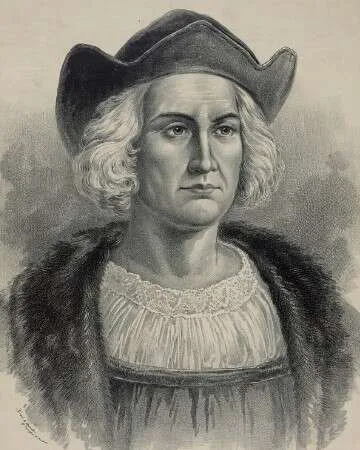
The Journey Begins Again
On September 24, 1493, famed explorer Christopher Columbus embarked on his second voyage to the New World. This journey marked a significant moment in history as Columbus set sail with an impressive fleet of 17 ships, looking to explore and settle new territories. Unlike his first voyage, which was undertaken with three modest ships in search of a westward route to Asia, this one was vastly different in scale and ambition.
Christopher Columbus and His Ambitions
Christopher Columbus, an Italian navigator, was driven by a strong desire to find a new trade route for Spain and to expand the reach of European civilization. His first voyage resulted in the discovery of the Bahama Islands and initiated European exploration of the Americas. With his second voyage, he aimed not only to explore but to establish a permanent settlement and bring back resources for Spain. His mission was laden with optimism, but the vast unknown of the New World also posed new challenges.
The Fleet and Its Purpose
The fleet that Columbus gathered for this voyage was significantly larger than his previous one, featuring ships equipped for exploration, resource gathering, and colonization. Each ship was filled with men including soldiers, priests, and settlers who were eager to forge a new life in unexplored lands. This time, Columbus was prepared to encounter the natives and negotiate alliances, driven by a vision of establishing a Spanish presence in these new territories.
Expectations vs. Reality
Columbus's second voyage carried high expectations, filled with the promise of great wealth and riches from the New World. However, this voyage also revealed the complexities of colonial expansion, including the challenges of navigating relationships with indigenous populations.
Interactions with Indigenous Peoples
Upon arrival at the new lands, Columbus encountered various indigenous tribes, showcasing his intentions to explore and establish contact. His interactions were marked by a mix of curiosity and tension as he sought to convert them to Christianity and integrate them into the Spanish Empire. These early interactions would set the stage for future conflicts and exchanges between Europeans and Native Americans.
The Consequences of Colonization
While Columbus's second voyage aimed at gathering riches and establishing a foothold for Spain, it was also the beginning of a long history of colonization in the Americas. The consequences of this exploration led to the exploitation of native resources and the altering of indigenous lifestyles. This bittersweet legacy continues to be felt today.
Fun Fact
Columbus’s Unexpected Discovery
Interestingly, during his second voyage, Columbus actually stumbled upon several islands including Puerto Rico and Hispaniola, which he misidentified as part of the Asian continent. His determination to seek out Asia in the New World led him to miss the full understanding of the lands he was exploring.
Additional Resources
Recommended Reading on Christopher Columbus
For those interested in exploring further, consider the following books: "1491: New Revelations of the Americas Before Columbus" by Charles C. Mann, which offers insights into pre-Columbian America, and "A Voyage Long and Strange: Rediscovering the New World" by Tony Horwitz, providing an engaging narrative of early exploration.





 Continue with Google