


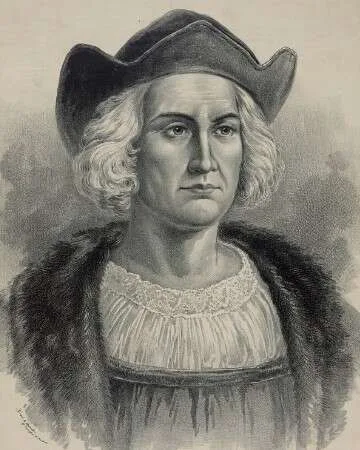
The Historic Letter by Christopher Columbus
In 1493, a remarkable event took place that would echo through history, marking the beginning of a new age of exploration. This was the year when Christopher Columbus penned a detailed account of his landmark voyage to the Americas. The letter was addressed to his key supporter, Luis de Santángel, the Treasurer of Aragon, following Columbus's return to Spain after his first journey across the Atlantic.
Columbus’s letter was not just a mundane report; it was a vibrant narrative filled with excitement and wonder. Describing the lands he had encountered, Columbus offered insights into the cultures he met, the exquisite treasures he witnessed, and the potential these new worlds presented for Spain. This letter not only captured the imagination of its readers but also served as the first official chronicle of European contact with the Americas.
Content of Columbus's Letter
In his letter, Columbus eloquently described his first sights of the New World, illustrating the beauty of the landscapes and the richness of the resources. He wrote about the indigenous inhabitants with a blend of curiosity and optimism, remarking on their welcoming nature, which he interpreted as a sign of the potential for conversion to Christianity and trade. The letter portrayed the vast possibilities ahead, urging potential investors to fund future expeditions.
The Impact of the Letter
Once published, Columbus’s letter ignited an exploration frenzy across Europe. It was disseminated widely, leading to a surge in interest and funding for further voyages. The letter not only established Columbus's legacy as an explorer but also played a central role in shaping European perceptions of the New World. It marked the start of Spain's extensive colonization efforts and set a historical precedent for subsequent explorations.
The Legacy of Columbus's Letter
Columbus's account had long-lasting implications that extended far beyond its initial publication. The letter’s powerful descriptions and the promise of wealth transformed societal views about exploration and colonization, leading to significant alters in the geopolitical landscape.
Colonization and Its Consequences
As news of the Americas spread, European powers scrambled to lay claim to various territories. Columbus’s discoveries opened a floodgate of colonization, bringing about profound changes in the lives of indigenous peoples and asserting European dominance across the continent. The legacy of his letter is bittersweet, as it heralds both adventurous exploration and the devastating consequences for native populations.
Historical Context of Columbus's Voyage
The voyage of Columbus was part of a broader context of European exploration driven by trade ambitions, the search for new routes, and the desire to spread Christianity. This quest for knowledge and resources marked the early stages of the Age of Discovery, transforming global interactions and the world economy.
Fun Fact
Columbus's Letter: A Bestseller of Its Time
The letter from Columbus was so popular that it was translated into several languages and printed numerous times within a short span. It truly was a bestseller of its day, circulating widely throughout Europe and influencing countless expeditions in the years that followed.
Additional Resources
Recommended Reading on Columbus's Journey
For those interested in delving deeper into the life and voyages of Columbus, consider reading “A People's History of the New World” by Howard Zinn and “Columbus and the Quest for Jerusalem” by Carol Delaney. These books provide varying perspectives on the implications of his expeditions.




 Continue with Google