


The Magnificent Basilica of Our Lady of Peace
The Basilica of Our Lady of Peace, located in Yamoussoukro, Côte d'Ivoire, is a stunning testament to faith and architecture. Consecrated on September 10, 1990, by Pope John Paul II, this grand structure holds the title of the world's largest church, covering an area of 30,000 square meters (approximately 320,000 square feet). The basilica was built to symbolize peace in a region fraught with conflict and to promote unity within the Catholic Church.
The Vision Behind the Basilica
The idea for the Basilica emerged from the vision of Félix Houphouët-Boigny, the first President of Côte d'Ivoire, who wanted to leave a lasting legacy for his nation. Inspired by the Basilica of St. Peter in Rome, the design of the Basilica of Our Lady of Peace combines modern architecture with traditional Ivorian elements. A dedication to the Virgin Mary, the basilica serves not just as a church but also as a cultural and historical landmark.
Pope John Paul II’s Blessing
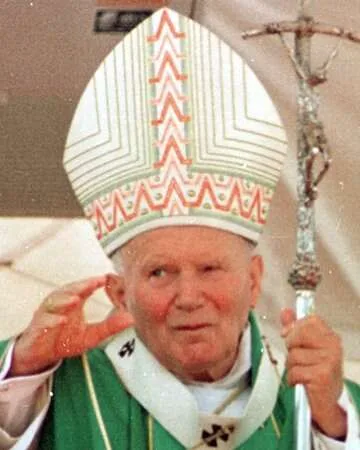
Pope John Paul II's visit to consecrate the basilica was significant, as it emphasized the church's importance within the global Catholic community. His presence highlighted the bridge between the Vatican and the African continent, reinforcing the Church’s mission to spread peace and reconciliation. The event attracted thousands of worshippers and dignitaries, marking a momentous occasion in the religious landscape of the region.
The Basilica Today
Today, the Basilica of Our Lady of Peace stands not only as a religious site but also as a prominent tourist attraction. It features stunning stained glass, a vast interior, and remarkable sculptures, making it a haven for architectural enthusiasts and pilgrims alike.
Architectural Features of the Basilica
The basilica is noted for its vast dome, which is reminiscent of the great cathedrals of Europe. Its unique structure can accommodate around 18,000 people in the main sanctuary alone. The combination of African motifs and contemporary design elements makes it a masterpiece not just of religious architecture but also of cultural expression.
The Impact of the Basilica on the Local Community
The construction and subsequent consecration of the Basilica have had a profound impact on Yamoussoukro and the surrounding regions. It has become a symbol of hope and a site for important religious activities, fostering a sense of community among the people. Additionally, the basilica has contributed to the local economy through increased tourism.
Fun Fact
Pope John Paul II’s Interesting Fact
Pope John Paul II was the first pope to visit Africa, and his focus on the continent highlighted its cultural richness and spiritual significance in the global Catholic Church.
Additional Resources
Recommended Reading on Pope John Paul II
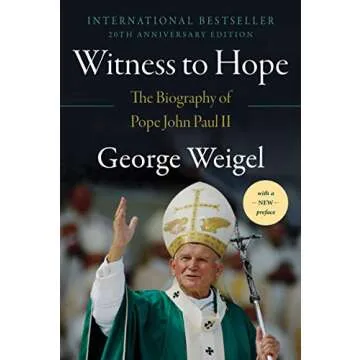
For those interested in learning more about Pope John Paul II and his legacy, consider reading "Witness to Hope: The Biography of Pope John Paul II" by George Weigel, which offers an in-depth look at his life and impact on the world.





 Continue with Google