


The Creation of Indian Territory: A New Era for Native Americans
In the year 1834, the United States Congress took a monumental step in shaping the future of Native American tribes by officially establishing the Indian Territory, which encompasses what is now known as Oklahoma. This political maneuver was largely a result of increasing pressures from American settlers and the government’s ongoing agenda to relocate Native Americans from their ancestral lands.
Indian Territory: A Safe Haven?
The establishment of the Indian Territory was meant to serve as a designated area for tribes that were forcibly relocated from various parts of the country. The U.S. government viewed this as a way to create a buffer zone where Native tribes could live and govern themselves away from white settlers. However, the reality was that the creation of this territory marked the beginning of further encroachment on Native lands and the erosion of tribal sovereignty.
Impact on Native Nations
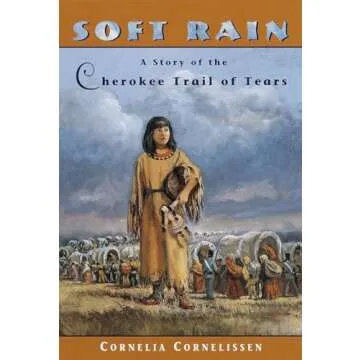
As the Congress formalized the Indian Territory, numerous tribes—including the Cherokee, Creek, and Choctaw—were profoundly affected. Many were removed through the harsh conditions of the Trail of Tears, where thousands suffered from disease, starvation, and death. For these tribes, the Indian Territory became both a place of refuge and a new battleground for their rights and existence.
Shaping a New Landscape: The Indian Territory
Despite the grim circumstances surrounding their relocation, the establishment of the Indian Territory also allowed tribes to form their own governments and systems. The territory quickly evolved into a complex cultural mosaic where Native Americans could engage in trade, agriculture, and governance.
Settlement Patterns in Indian Territory
The territories were not deserted; they became home to many settlers and opportunists seeking land and wealth. This led to significant cultural exchanges but also to conflicts and tensions between the settlers and the Native tribes, as both parties sought to stake their claims in the region.
Political Changes and Challenges
Throughout the latter half of the 19th century, the Indian Territory faced numerous challenges, including political pressures from both state and federal governments. As the United States expanded westward, the rights of Native Americans were increasingly undermined, leading to further conflicts. The territory would eventually be dissolved and divided into the states we know today, culminating in the establishment of Oklahoma in 1907.
Fun Fact
The Name “Oklahoma”
The name Oklahoma itself comes from the Choctaw words "okla" meaning "people" and "humma" meaning "red," translating to "red people." This name symbolizes the region's deep Native American history and heritage.
Additional Resources
Recommended Reading on the Indian Territory
For a deeper exploration into the history and culture of the Indian Territory, consider reading "The Trail of Tears: The Rise and Fall of the Cherokee Nation" by John Ehle or "Indian Territory and the National Parks" by Wallace H. Sutherland. Both books provide rich insights into the complex dynamics of this era.





 Continue with Google