


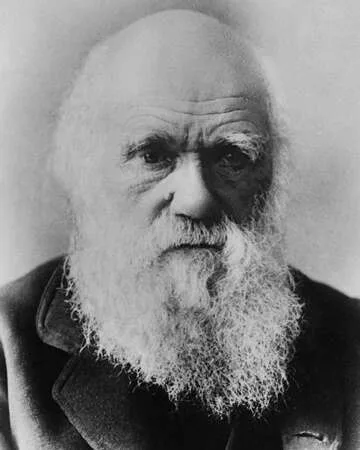
Darwin’s Arrival in the Galápagos Islands
In 1835, a pivotal moment in scientific history unfolded when the HMS Beagle, with renowned naturalist Charles Darwin on board, arrived at the Galápagos Islands. This remote archipelago, located in the Pacific Ocean, would change the way humanity understood biological evolution. As Darwin explored the unique biodiversity of the islands, he noted profound differences in species that had adapted to their specific environments. This observation would later support his revolutionary theories about evolution.
Charles Darwin’s Experience in the Galápagos
During his time in the Galápagos, Darwin meticulously recorded his observations of various species, including the famous Galápagos tortoise and different finch species. Each finch species adapted to different food sources, showcasing the concept of adaptive radiation. These incredible findings captured Darwin's attention and would later form the foundation of his landmark work, "On the Origin of Species." His experiences in the Galápagos were critical in nurturing his understanding of natural selection.
The Significance of the Galápagos Flora and Fauna
The flora and fauna of the Galápagos Islands are not only unique but serve as a natural laboratory for understanding evolution. The islands host species that are found nowhere else on Earth, such as the marine iguana and various species of cacti. Darwin's studies revealed how isolated environments can lead to the emergence of new species, emphasizing the importance of island biogeography in evolutionary thought.
Impact of the Galápagos Journey on Science
Until Darwin’s explorations, the scientific community had limited knowledge about species variation. His detailed accounts and discoveries sparked a fervor among scientists and intellectuals, shifting perspectives on how species evolved over time.
Challenge to Contemporary Beliefs
Darwin's findings presented a significant challenge to existing beliefs about creation and the origins of life. The concept of species evolving through natural selection was radical and counter to the prevailing doctrines of the time, leading to heated debates in both scientific and religious communities.
Legacy of Darwin’s Discoveries
Today, Darwin's observations in the Galápagos are considered a cornerstone of modern biology. His theories laid the groundwork for the field of evolutionary biology, influencing countless researchers and shaping scientific inquiry.
Fun Fact
Darwin’s Fascinating Encounter with the Giant Tortoises
While in the Galápagos, Darwin famously made a connection with the giant tortoises, noting how different islands housed different species that were significantly varied in size and shape. He often took leisurely rides on the tortoises, which became a treasured anecdote of his voyage!
Additional Resources
Recommended Reading on Charles Darwin
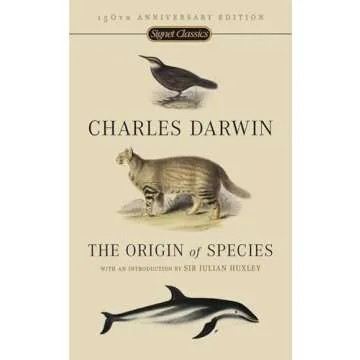
For those interested in exploring more about Darwin’s life and works, consider reading "The Voyage of the Beagle" where Darwin details his journey and findings, or "On the Origin of Species", which encapsulates his groundbreaking theories on evolution.












 Continue with Google