


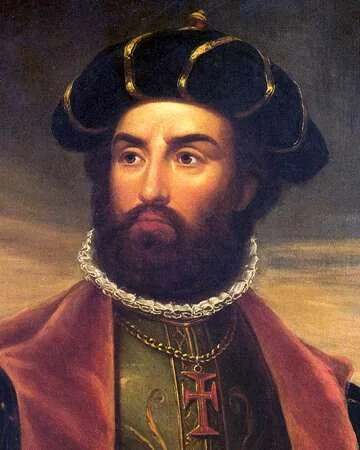
The Remarkable Discovery of the Astrolabe
In 2014, a significant archaeological discovery unfolded near Al Hallaniyah Island, Oman, where the world's oldest known astrolabe, dating back to approximately 1498, was uncovered. This intricate device was associated with the shipwreck of renowned explorer Vasco da Gama, known for his pioneering sea routes to India. The astrolabe, a vital navigational tool of its time, was used by mariners to determine their latitude by measuring the angle between the horizon and the stars.
This astrolabe is not just a piece of metal; it's a portal into the Age of Exploration. Its remarkable preservation allows us to delve deeper into maritime history and the technological advancements of the 15th century that propelled exploration and trade. This discovery is crucial as it sheds light on the navigation techniques used by early sailors, particularly in the tumultuous waters of the Indian Ocean.
The Role of Vasco da Gama in Maritime Exploration
Vasco da Gama was instrumental in establishing a sea route from Europe to India, which changed global trade forever. His expeditions enabled European nations to connect with the lucrative spice trade, thus transforming economies and cultures. The unearthing of the astrolabe from his shipwreck provides valuable insight into the tools that facilitated such monumental voyages and underscores da Gama's pivotal role in maritime history.
The Importance of the Astrolabe in Navigation
The astrolabe was an exceptional innovation for navigation, allowing sailors to ascertain their positions at sea. By measuring celestial bodies, it helped them navigate through treacherous waters. The discovery of this astrolabe enhances our understanding of how explorers like da Gama succeeded in their quests against the vastness of the oceans.
Impact of the 2014 Find
The find of the astrolabe has sparked interest not only in maritime archaeology but also in the history of navigation itself. It emphasizes the cultural exchange and knowledge dissemination that occurred during the Age of Exploration, as tools and techniques traveled alongside explorers.
Continuing Research on the Astrolabe
Since its discovery, scholars and historians have engaged in extensive research to glean further insights into the astrolabe and its use during the time of da Gama. Studies examine its design and craftsmanship, offering glimpses into the technological innovation of the era, which was vital for navigation and trade.
Preservation Efforts Surrounding the Artefact
Efforts have been made to preserve the astrolabe to ensure that it can be studied and appreciated by future generations. Museums and universities are collaborating to develop approaches for safeguarding such historic artefacts as they represent humanity's shared heritage and technological journey.
Fun Fact
Vasco da Gama’s Historical Significance
Interestingly, Vasco da Gama was the first person to sail directly from Europe to India, a feat that significantly altered the course of history, making him a legendary figure in exploration.
Additional Resources
Recommended Reading on Vasco da Gama
For those wanting to explore further into the life of Vasco da Gama and his impact on navigation, consider reading "Vasco da Gama: The Exploration of India" by Ramesh T. D. N. Rao and "The Age of Exploration" by Jaman A. B.'s Studies. These texts offer deeper insights into maritime history and the significance of navigational tools like the astrolabe.






 Continue with Google