


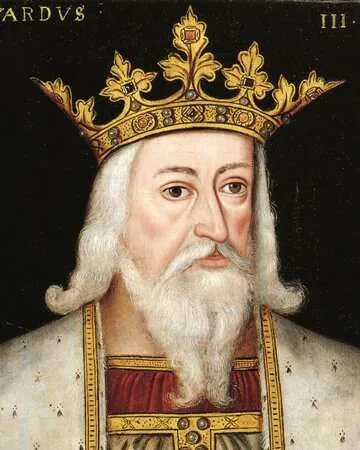
The Bold Proclamation of Edward III
In 1340, Edward III, the King of England, made a significant and controversial claim to the French throne, declaring himself the rightful King of France. This bold proclamation was a pivotal moment in the ongoing conflict known as the Hundred Years' War between England and France. Edward's assertion fundamentally shifted the dynamics of power in medieval Europe and set the stage for decades of warfare and political intrigue.
Edward III’s Claim to the French Crown
This extraordinary claim stemmed from Edward's lineage; he was the son of Isabella of France, the daughter of King Philip IV of France. After the death of the last Capetian king, Charles IV, without a male heir, the French crown passed to Philip VI from the House of Valois. Edward contested this, arguing that through his mother, he had a legitimate right to the throne. This proclamation was not merely a royal declaration; it was a declaration of war and aspiration to unify the crowns of England and France under his rule.
The Political Climate of 1340
The year 1340 was marked by unrest and shifting alliances in Europe. The feudal society was characterized by complex relationships between lords and vassals, and Edward's claim was both a challenge to French authority and a rallying call for his supporters in England. The claim escalated tensions that had been brewing due to territorial disputes, particularly in regions like Aquitaine, which were valuable economically and politically. Edward's proclamation not only ignited conflict but also galvanized his claimants and soldiers, establishing a fervent nationalistic sentiment in England.
Consequences of Edward III's Declaration
Declaring himself king of France had immediate repercussions, leading to several key battles and events that would dominate the political landscape in the following years. Edward's military strategies and campaigns were aimed not just at claiming territory, but at legitimizing his rule in the eyes of his contemporaries.
The Naval Victory at Sluys
In pursuit of his royal ambitions, Edward III achieved a remarkable victory at the Battle of Sluys in 1340, which established English naval supremacy and secured crucial supply routes. This triumph was crucial as it disallowed French reinforcements from reaching key territories, effectively strengthening Edward's position in his war efforts.
The Siege of Tournai
Following his naval victory, Edward III turned his attention towards capturing key towns, notably the city of Tournai. This siege symbolized the relentless ambition of Edward's campaign. Each conquest added to his legitimacy as a contender for the French throne and pushed the conflict deeper into the fabric of both kingdoms' histories.
Fun Fact
Edward III’s Inspiring Influence
One interesting fact about Edward III is that he is credited with establishing the Order of the Garter in 1348, which became one of the most prestigious orders of chivalry in England, reflecting his desire to strengthen loyalty among his knights and nobles, particularly during the turbulent times of war.
Additional Resources
Recommended Reading on Edward III
To delve deeper into the life and times of Edward III, consider reading The Hundred Years War: The English in France 1337-1453 by Jonathan Sumption or Edward III by Richard Barber. These works provide insightful perspectives on his reign and the broader context of the medieval conflicts.










 Continue with Google