


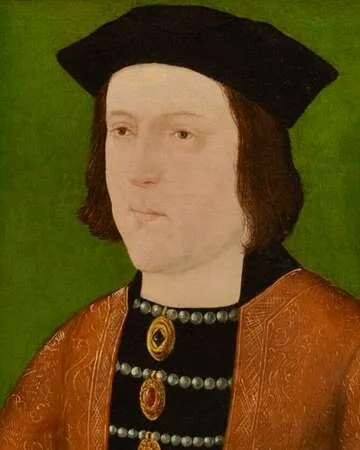
Victorious Return of Edward IV
On May 21, 1471, King Edward IV of England made a triumphant return to London following his significant victory at the Battle of Tewkesbury. This battle was a pivotal moment during the turbulent times of the **Wars of the Roses**, marking a decisive turning point in the struggle for the English throne between the rival houses of York and Lancaster. With his recent success, Edward IV not only solidified his reign but also instilled a sense of hope among his supporters.
As Edward entered the city, he was met with cheers and celebrations. The streets were filled with loyal citizens who admired their king, hailing him as the protector of the realm after a prolonged period of conflict. The victory at Tewkesbury was instrumental, as it led to the capture of Queen Margaret, the wife of the deposed Lancastrian King Henry VI, thus further diminishing the Lancastrian claim to the throne.
Edward IV's Leadership and Strategy
King Edward IV, a member of the House of York, was known for his charismatic leadership and military acumen. His successful campaign at Tewkesbury demonstrated his ability to rally his forces effectively and execute strategic military maneuvers. Prior to the battle, Edward's forces had been outnumbered, yet his decisive tactics resulted in a swift and effective victory over the Lancastrian army.
The Impact of Tewkesbury on the Wars of the Roses
The Battle of Tewkesbury had far-reaching implications. It not only brought an end to the final Lancastrian resurgence but also paved the way for Edward’s undisputed reign. After this battle, key Lancastrian figures were eliminated, including the death of Edward's brother-in-law, which further weakened the opposition. The victory allowed Edward IV to consolidate power, ultimately leading to an extended period of rule.
Aftermath of the Battle and Edward's Reign
The aftermath of the battle was marked by the continued dominance of the House of York. Following the capture of Queen Margaret and a significant number of Lancastrian nobles, Edward IV was able to bring relative peace to England. His reign saw economic recovery and a focus on strengthening the monarchy.
Edward IV's Reforms and Leadership Style
King Edward IV's leadership style was characterized by affability and a strong support base among the wealthy merchants and nobles of the time. He initiated various reforms aimed at stabilizing the economy and enhancing governance. His victories in battle, combined with his public persona, made him one of the most popular monarchs of his time.
Queen Margaret's Capture and Its Significance
The capture of Queen Margaret during the aftermath of Tewkesbury was emblematic of the Lancastrian defeat. After years of hardship as the wife of a king who was unable to secure his throne, Margaret's capture symbolized the end of the Lancastrian challenge to Edward IV’s rule. This event also allowed Edward to negotiate effectively with the remaining Lancastrians, thus ensuring the stability of his reign.
Fun Fact
Edward IV's Interesting Fact
Edward IV was not only a skilled military leader but also a part of history as the first king of England to establish a formal wedding to a commoner, marrying Elizabeth Woodville in 1464, which was controversial at the time but showcased his progressive approach to monarchy.
Additional Resources
Recommended Reading on Edward IV
For those wishing to dive deeper into the life and reign of King Edward IV, consider reading "The Wars of the Roses: The Fall of the Plantagenets and the Rise of the Tudors" by Dan Jones and "Edward IV: The King Who Made England" by Paul Murray Kendall. These texts provide comprehensive insights into the political dynamics of 15th century England.





 Continue with Google