


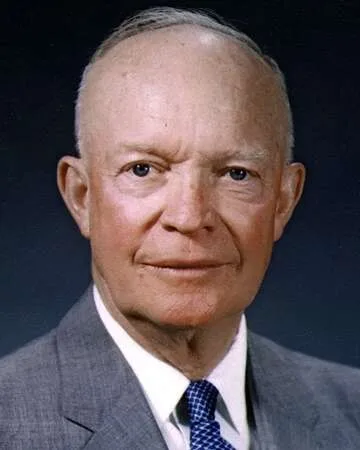
General Eisenhower's Strategic Command
On the pivotal date in 1944, General Dwight D. Eisenhower was entrusted with a monumental responsibility as he took command of the Allied invasion force in London. This decisive moment marked a turning point during World War II, as history would soon see the launch of Operation Overlord, commonly known as D-Day, which was aimed at liberating Western Europe from Nazi occupation. Eisenhower, known for his exceptional leadership and strategic vision, coordinated the efforts of various Allied nations, including the United States, the United Kingdom, and Canada, in this crucial campaign.
Eisenhower's Early Years and Military Background
Dwight D. Eisenhower was born on October 14, 1890, in Denison, Texas. He began his military career in 1911 and rose through the ranks during the interwar period and World War II. His experience as a planner and operational leader made him an ideal choice to oversee the largest amphibious assault in history. Eisenhower’s ability to unite diverse military forces under a single command would prove to be critical for the success of the invasion.
The Invasion Force Preparation
In the lead-up to the invasion, Eisenhower meticulously planned for every aspect of the operation. He led extensive training exercises, coordinated logistics, and developed strategies to ensure a surprise attack against the heavily fortified beaches of Normandy. His leadership was characterized by a strong emphasis on collaboration among Allied leaders, such as British Prime Minister Winston Churchill and U.S. General George Marshall, which helped build a cohesive strategy for the operation.
Operation Overlord: A Historical Milestone
General Eisenhower's leadership during Operation Overlord was a critical factor in the success of the Normandy landings on June 6, 1944. This massive operation involved the deployment of over 156,000 Allied troops, supported by thousands of ships, planes, and equipment. Under Eisenhower's command, the invasion force executed a successful assault, which led to the liberation of France and eventually contributed to the defeat of Nazi Germany.
Key Challenges Faced by Eisenhower
Throughout the planning and execution phases, Eisenhower faced several challenges, including adverse weather conditions, logistical issues, and the need for accurate intelligence about enemy positions. Despite these obstacles, his resolute decision-making and capability to remain calm under pressure were pivotal to moving forward and adjusting plans as needed.
The Legacy of Eisenhower's Command
The success of the Allied forces on D-Day established a foothold in Europe that paved the way for subsequent operations. Eisenhower's adept leadership not only underscored the importance of international cooperation but also set the stage for his future presidency. His experience as Supreme Commander solidified his reputation as a skilled military leader and a figure of national unity.
Fun Fact
Did You Know About Eisenhower's Hidden Talents?
General Eisenhower was not only an outstanding military strategist but also an avid sportsman and a talented artist. He enjoyed painting landscapes and often used it as a way to relieve stress during the war, showing a different side to the celebrated military leader.
Additional Resources
Recommended Reading on General Eisenhower
For those interested in diving deeper into the life and achievements of Dwight D. Eisenhower, consider books like "The Eisenhower Diaries", which offer a personal glimpse into his thoughts, or "Eisenhower: Soldier and President", providing a comprehensive overview of his life, military service, and presidency.








 Continue with Google