


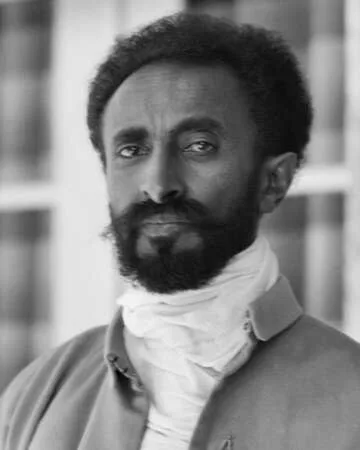
The Significance of Haile Selassie's Visit to Jamaica
In April 1966, the visit of Ethiopian Emperor Haile Selassie to Jamaica was not just a royal affair; it was a moment deeply ingrained in the hearts of many Jamaicans and Rastafarians alike. This event symbolized the connection between Ethiopia and the African diaspora, highlighting solidarity, pride, and the cultural importance of the African heritage.
The Background of Haile Selassie
Haile Selassie I, also known as Ras Tafari, was born in Ethiopia in 1892. He became Emperor in 1930 and is revered by many, particularly in the Rastafarian movement, as a messianic figure. His reign marked significant modernization efforts in Ethiopia, emphasizing education and infrastructure. Selassie's visit to Jamaica was welcomed with great enthusiasm, reflecting the importance of African heritage among the Jamaican people.
The Reception of the Emperor
The streets of Kingston were alive with excitement as thousands gathered to welcome Emperor Selassie. His visit began with a grand procession, featuring vibrant displays of music, dance, and colors that represented the rich culture of Jamaica. The sight of the Emperor, with his royal regalia, captured the imagination of the people and deepened the emotional connection to his Ethiopian roots.
Cultural Impact of the Visit
Emperor Selassie's presence in Jamaica served to elevate the Rastafarian movement, providing a substantial cultural impact that is still felt today. His visit was a pivotal moment that fostered a greater appreciation for African heritage and cultural pride among Jamaicans.
Restoration of Ethiopian Pride
For the Rastafarians and many in the wider Jamaican community, Selassie's visit was a powerful assertion of African pride and identity. His influence helped rekindle interest in Ethiopia’s historical significance as an ancient civilization and a symbol of hope for Africans globally. This visit further solidified Selassie’s status as a key figure in the Rastafarian faith.
A Lasting Legacy
The legacy of Emperor Haile Selassie’s visit continues to manifest in Jamaican culture, particularly through music, dance, and religious practices within the Rastafarian faith. His teachings on unity and Africa continue to inspire pride and activism among people of African descent.
Fun Fact
Haile Selassie’s Interesting Fact
Did you know that Haile Selassie was one of the first leaders to address the United Nations? His speech in 1963 championing African unity is a landmark moment in international relations and the Pan-African movement.
Additional Resources
Recommended Reading on Haile Selassie
If you're interested in delving deeper into the life and legacy of Haile Selassie, consider reading "The Autobiography of Emperor Haile Selassie" which offers first-hand insights into his reign, along with "Rasta: A Soul's Journey to Jamaica" that explores his connections to Jamaican culture.












 Continue with Google