


The End of the Provisional IRA Truce
On February 9, 1976, the fragile peace between the Provisional Irish Republican Army (IRA) and the British government came to an abrupt end. The truce, which had been declared in February 1975, was an attempt to halt the violent conflict known as The Troubles in Northern Ireland, a period marked by intense sectarian strife. This suspension of hostilities created a brief window of hope for peace, yet this hope was shattered when the IRA announced their decision to recommence their campaign against the British state.
Impact of the 1975 Truce
The truce was seen by many as a revolutionary step towards peace; it allowed for dialogue and negotiations between both sides. However, it was accompanied by underlying tensions and skepticism. This period saw a significant reduction in violence but also a rise in community tensions. The lack of political progress and the dissatisfaction among loyalists and republicans alike meant that the truce could barely withstand the political realities of Northern Ireland.
Reasons for the Truce's Collapse
As the truce progressed, various incidents, including the killing of IRA members and frustrations over police actions, led to increasing calls within the Provisional IRA to resume operations. The IRA's leadership felt that the British were not genuinely committed to negotiations for peace, leading to a breakdown of mutual trust and ultimately the end of the truce.
The Aftermath of the Truce's Termination
With the formal end of the truce on February 9, 1976, the Provisional IRA intensified their attacks against security forces, leading to a surge in violence throughout Northern Ireland. This marked a crucial turning point in The Troubles, which would continue for nearly two more decades.
Escalation of Violence
The resumption of hostilities saw fatal attacks, bombings, and killings that solidified the IRA's resolve. In the wake of the truce's collapse, the British government enhanced military presence and initiatives to combat the surge of violence, with limited success. This escalation further entrenched the cycle of violence that plagued Northern Ireland.
Political Consequences
The breakdown of the 1975 truce not only affected tactical military operations but ushered in significant political consequences as well. The United Kingdom faced international scrutiny regarding its approach to the conflict, while nationalist communities in Ireland reassessed their strategies for achieving unity and independence.
Fun Fact
The Provisional IRA’s Unexpected Strategy
During the truce, some members of the Provisional IRA attempted to engage in political processes and explore alternative avenues for achieving their goals. However, this shift towards dialogue was short-lived, demonstrating the complexities involved in the peace process during The Troubles.
Additional Resources
Recommended Reading on The Troubles
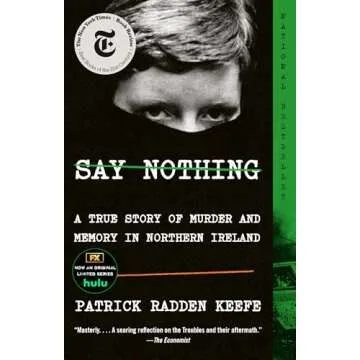
For those interested in exploring more about the impact of the IRA and the history of The Troubles, the following books are recommended: “The Troubles: Ireland’s Ordeal 1966-1996 and the Search for Peace” by Tim Pat Coogan and “Say Nothing: A True Story of Murder and Memory in Northern Ireland” by Patrick Radden Keefe. These texts provide extensive insights into the turbulent history of the era.





 Continue with Google