


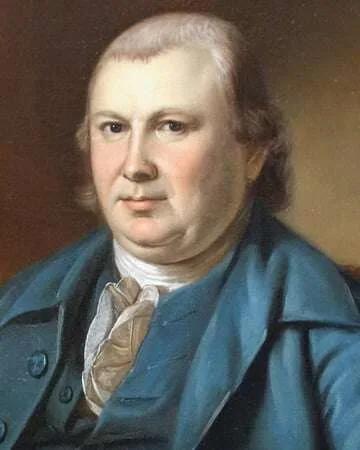
Revolutionizing Currency: The Proposal for Decimal Coinage
In the year 1782, a landmark proposal was presented to the United States Congress by Robert Morris, who was serving as the Superintendent of Finance at the time. This proposal aimed to introduce a system of *decimal coinage* and establish a national mint. The idea was revolutionary, as it offered a more systematic approach to currency that could simplify transactions and foster economic growth in the newly independent nation.
Robert Morris and His Vision
Robert Morris, a prominent financier and patriot, was a key figure in shaping the financial policies of the early United States. He understood the challenges posed by the lack of a standardized currency and the confusion that arose from various forms of money being circulated. Morris believed that a *decimal-based currency* would not only simplify calculations but would also unify the economic landscape of the nation. By aligning the currency system with the foundational principle of ten, he sought to streamline commerce.
The Need for a National Mint
Alongside the proposal for decimal coinage, Morris emphasized the necessity of establishing a *national mint*. This mint would be responsible for producing a consistent and reliable currency that the citizens could trust. At that time, the nation faced significant difficulties with counterfeit coins and undervalued currencies, which hindered trade and economic stability. The establishment of a national mint promised a solution to these issues, providing a central authority for currency production.
The Impact of Decimal Coinage and National Mint
The proposal for decimal coinage and the establishment of a national mint set the foundation for what would eventually become the United States dollar. This concept was not only a practical step towards financial stability but also reflected a broader vision of a cohesive and unified nation. Morris’s foresight in advocating these changes proved vital in paving the way for standardized currency in the future.
Implementation of Decimal Coinage
While Morris's proposal took time to come to fruition, it would later influence the Coinage Act of 1792. This act led to the creation of the U.S. dollar as a decimal-based currency, setting the stage for a stable and trustworthy economic system. The success of decimal coinage offered a streamlined method for financial transactions, thus promoting economic growth across the expanding nation.
The Establishment of the U.S. Mint
Following Morris's recommendations, the U.S. Mint was eventually established, and it played a pivotal role in the minting of coins according to the standards set by the Coinage Act. The U.S. Mint became a symbol of national sovereignty, and its operations contributed significantly to the development of the American financial system. The national mint ensured that currency was produced consistently and securely, reinforcing public confidence in the economy.
Fun Fact
Robert Morris’s Lasting Legacy
Interestingly, Robert Morris is sometimes referred to as the "Financier of the Revolution" due to his critical role in funding the American Revolutionary War. His push for decimal coinage reflects not just a financial innovation but a commitment to establishing a solid foundation for the future economy of the United States.
Additional Resources
Recommended Reading on Robert Morris and Decimal Coinage
For those interested in exploring this topic further, consider reading "The Life of Robert Morris" by William R. E. Thomas, which delves into his contributions to American finance, and "The History of the United States Mint and Its Coinage" by David M. Minton, detailing the evolution of the U.S. financial system.








 Continue with Google