


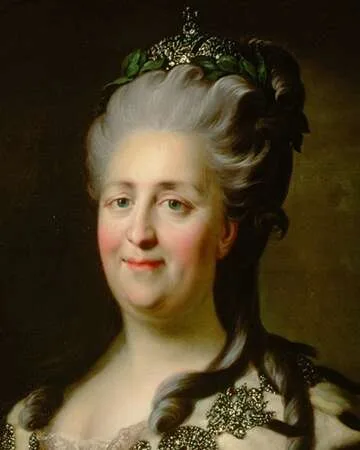
The Birth of the Foundling Home in 1763
In 1763, a significant humanitarian effort was initiated in Russia with the establishment of the Foundling Home, a project endorsed by Empress Catherine II of Russia. This institution aimed to provide care and shelter for abandoned children, addressing a critical social issue of the time. This initiative was profoundly influenced by Ivan Betskoy, a prominent figure who recognized the urgent need for providing a safe haven for the numerous foundlings in Moscow.
Catherine II's Support for the Initiative
Empress Catherine II, also known as Catherine the Great, was a monarch who played a pivotal role in modernizing Russia. Her support for the Foundling Home was based on her enlightened views on governance and a desire to improve the welfare of her subjects. By endorsing Betskoy's plans, she demonstrated her commitment to social reforms and the betterment of the lives of poor and abandoned children.
Ivan Betskoy's Vision
Ivan Betskoy was not only a statesman but also a passionate advocate for children's welfare. His vision for the Foundling Home included comprehensive care for infants, educational programs, and vocational training for older children. He believed that every child deserved a chance at a better future, a philosophy that shaped the operational structure of the institution.
The Impact of the Foundling Home
The founding of the Foundling Home marked a transformative moment in Russian social policy. It was a pioneering effort that brought attention to the plight of abandoned children and set a precedent for future charitable institutions.
Social Reformation through the Foundling Home
The establishment of the Foundling Home contributed significantly to social reformation. It provided not only shelter but also an opportunity for abandoned children to grow up with access to education and care, which was revolutionary during a time when societal neglect of such issues was common.
Legacy of the Foundling Home
The legacy of the Foundling Home continues to resonate in modern Russia. It symbolizes the beginning of organized efforts to care for vulnerable populations and emphasizes the importance of state responsibility in improving social conditions. This initiative laid the groundwork for future advancements in child welfare and social services in the country.
Fun Fact
Did You Know?
The Foundling Home became a model for similar institutions in Europe, illustrating how Catherine II's enlightened policies influenced not just Russia but also other nations regarding child welfare.
Additional Resources
Recommended Reading on Catherine II and Ivan Betskoy
For those interested in exploring more about this transformative era, consider reading Catherine the Great: Portrait of an Empress by Robert K. Massie and The Life and Times of Catherine the Great by Marilyn M. Zalis. These resources delve deeper into the life of the Empress and the societal changes she championed.











 Continue with Google