


Context of the 1976 Presidential Debate
The Candidates: Gerald Ford and Jimmy Carter
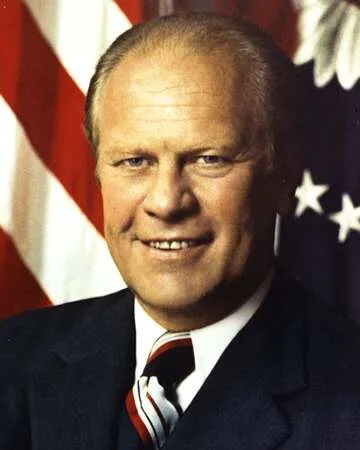
The 1976 Presidential debate featured incumbent President Gerald Ford and Democratic challenger Jimmy Carter. This was a crucial moment in American politics, where candidates faced tough questions from the press and the public. Ford had taken over from Richard Nixon after the Watergate scandal, and his administration aimed to restore public trust in the presidency.
Impact of Gerald Ford's Statement
During the debate, Ford made a statement asserting that there was "no Soviet domination in Eastern Europe", which was factually incorrect given the political landscape of the time. This misjudgment not only surprised many viewers but also shed light on the ongoing Cold War tensions. It was a blunder that would resonate in the minds of voters, affecting perceptions of his foreign policy competence.
Reactions and Consequences
Media Reaction to the Blunder
Ford's statement was quickly criticized by media outlets and commentators who noted the obvious presence of Soviet influence in countries like Poland and East Germany. The confusion over such a significant geopolitical truth raised doubts about Ford's grasp of international relations, especially at a time when the Cold War was a dominant issue in the minds of voters.
Jimmy Carter's Advantage
Capitalizing on Ford's gaffe, Jimmy Carter positioned himself as a candidate who could navigate the complexities of foreign policy more effectively. This debate moment was pivotal, as it helped Carter gain momentum and ultimately contributed to his electoral win in November 1976. Ford's gaffe highlighted Carter's message of change and a return to American values.
Fun Fact
Ford's Historic Debate Error
This debate is often cited in discussions about political missteps. Ford's statement became a classic example of how debates can influence elections, demonstrating the importance of accuracy and perception in political discourse.
Additional Resources
Recommended Reading on Gerald Ford and Jimmy Carter
For those interested in delving deeper into this pivotal moment in American history, consider reading "A Time to Heal" by Gerald Ford and "Why Not the Best?" by Jimmy Carter, which offer insights into their political philosophies and experiences during this era.




 Continue with Google