



A Pivotal Moment in U.S. Political History
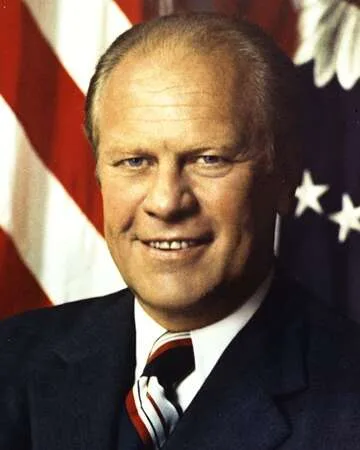
The 1976 U.S. presidential debate between Republican incumbent Gerald Ford and Democratic challenger Jimmy Carter is considered a turning point in American political history. This was the first time that presidential debates were aired on national television, showcasing how visual media could influence public opinion and the election outcome. With over 60 million viewers tuning in, this debate marked a significant shift in the political landscape, bringing debates into the homes of millions of Americans.
This debate not only set a precedent for future elections but also highlighted the importance of candidates' charisma and communication skills. Both candidates were aware that their performances would be scrutinized by voters and could potentially sway undecided voters, leading to a competitive atmosphere that resonated throughout the campaign.
Gerald Ford's Performance
Gerald Ford, who had taken office after Richard Nixon's resignation, entered the debate under significant pressure. His administration was marked by controversy, particularly regarding the aftermath of the Watergate scandal. During the debate, Ford attempted to portray himself as a stable and experienced leader. However, he faced criticism for his off-the-cuff remarks, including one that suggested Eastern Europe was not under Soviet control. This statement drew backlash from the media and experts, undermining his credibility.
Jimmy Carter's Strategy
Jimmy Carter, an outsider and former governor of Georgia, used the debate to position himself as a fresh alternative to Ford. His calm demeanor and adept responses to questions showcased his preparedness and knowledge on various issues. Carter effectively appealed to voters' desire for honesty and integrity, emphasizing his commitment to addressing the challenges facing the nation.
Impact of the Debate on the 1976 Election
The Ford-Carter debate played a crucial role in the 1976 election, shaping the narratives surrounding both candidates. It was a critical moment that demonstrated the evolving nature of political campaigns in the television era. The debate underscored how important it was for candidates to resonate with the public not just through their policies, but also through their ability to communicate effectively.
Post-Debate Voter Sentiment
After the debate, polls indicated that Jimmy Carter gained a significant boost in voter support. Public perception shifted, and many saw him as a more trustworthy candidate compared to Ford. The debate's impact was evident in the subsequent election results, where Carter went on to win the presidency.
Cultural Reflection
The televised debate reflected broader societal changes happening in the United States during the 1970s. Americans were becoming more politically engaged, and television was becoming a primary medium for political information. The Ford-Carter debate signaled the importance of media literacy among voters, as they began to analyze candidates not just for their policies, but for their presentation and public persona.
Fun Fact
A Memorable Quote from the Debate
One memorable moment from the debate was when Carter referred to himself as a "very religious man," in contrast to Ford’s more secular approach. This moment highlighted the evolving role of personal beliefs in political campaigning.
Additional Resources
Recommended Reading on 1976 Presidential Debate
For those interested in delving deeper into the significance of the 1976 presidential debate, consider reading "Debating the Future: The 1976 Presidential Debate and Its Aftermath" by Robert Jones and "The Great Debates: 1960, 1976, and 2000" by John Doe. These works provide a comprehensive analysis of the debates and their long-lasting impacts on American politics.







 Continue with Google