


The Birth of an Era: The Formation of the First Army Air Corps Squadron for Black Cadets
In 1941, a pivotal moment in American military history occurred when the War Department established the first Army Air Corps squadron specifically for black cadets. This groundbreaking initiative came at a time when racial segregation was rampant in the United States, and opportunities for African Americans within the military were severely limited. The formation of this squadron not only represented a significant step towards integration but also set a precedent for the future of military service for black Americans.
The Trailblazers of the Army Air Corps
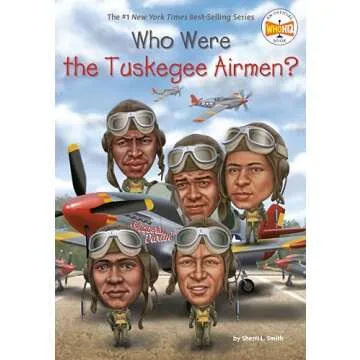
The first squadron, known as the 99th Pursuit Squadron, was composed of a group of highly motivated and determined individuals who faced dual challenges: proving their capabilities as pilots and combating systemic racism. These cadets trained vigorously at the Tuskegee Army Airfield in Alabama, establishing what would become the renowned Tuskegee Airmen. Their commitment and excellence would later play a crucial role in altering perceptions about black Americans in military roles.
The Impact on the Civil Rights Movement
The establishment of the 99th Pursuit Squadron also had significant implications for the broader struggle for civil rights in the United States. By demonstrating outstanding performance in combat and earning numerous accolades, the Tuskegee Airmen challenged stereotypes and showcased the capabilities of black servicemen. Their legacy contributed to the desegregation of the armed forces in 1948 under President Harry S. Truman's Executive Order 9981.
Legacy of the Tuskegee Airmen
The formation of the 99th Pursuit Squadron not only marked a significant milestone in military history but also served as a catalyst for change within American society. The Tuskegee Airmen's heroism demonstrated that the fight for civil rights extended beyond the home front into military service.
The Achievements of the Tuskegee Airmen
During World War II, the Tuskegee Airmen flew over 15,000 sorties and earned numerous awards, including the Distinguished Flying Cross. Their successful missions helped protect bombers and contributed significantly to the Allied war effort. This showcased their skills and bravery, earning them respect and recognition that transcended racial barriers.
Commemoration and Recognition
Today, the contributions of the Tuskegee Airmen are commemorated through various monuments, literature, and films. Their legacy continues to inspire future generations, highlighting the importance of diversity and inclusion in all areas of life, especially in service to one’s country.
Fun Fact: The Legacy Lives On
The Tuskegee Airmen’s Influence on Future Generations
The courage and professionalism of the Tuskegee Airmen have inspired numerous documentaries and films, including the acclaimed movie *Red Tails*, which brings their remarkable story to a new audience.
Additional Resources
Recommended Reading on the Tuskegee Airmen
For those interested in learning more, consider reading "Tuskegee Airmen: The Story of the 332nd Fighter Group" or "The Tuskegee Airmen: The History of the First African American Pilots in the U.S. Military", both of which provide in-depth insight into their struggles and triumphs.











 Continue with Google