


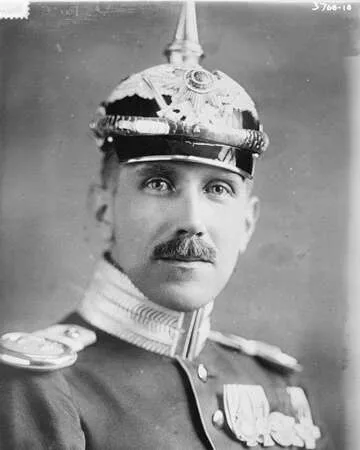
The Appointment of Franz von Papen
In 1939, as the world teetered on the brink of World War II, one significant diplomatic appointment occurred: Franz von Papen was named the German Ambassador to Turkey. This transition was not merely a change in bureaucratic personnel; it was a critical step for Nazi Germany in establishing strong diplomatic ties with Turkey. At that time, Turkey served as a key pivot between Europe and the Middle East, and securing a loyal ambassador was vital for the German interests.
Franz von Papen's Background
Franz von Papen, born in 1879 in Germany, was not only a diplomat but also a prominent political figure who had previously served as the Chancellor of Germany in the early 1930s. His experience and connections played a substantial role in navigating the fraught political landscape of pre-war Europe. Papen's appointment to Turkey underscored his relevance in Nazi diplomacy, especially as the regime sought to bolster its presence in strategically vital regions.
The Role of the Ambassador
As Ambassador, Papen had the crucial task of fostering political relations and negotiating economic ties with Turkey. His influence was designed to ensure that Turkey would remain neutral—or ideally, aligned with Germany—as tensions escalated across the continent. Papen's role involved not just formal diplomacy but also engaging in covert operations to sway Turkish influences towards the Axis Powers.
The Diplomatic Landscape in 1939
The late 1930s saw Europe divided into opposing camps, with Germany seeking to expand its influence globally. The appointment of Papen highlighted Germany's strategic calculations as it faced numerous adversities, including rising opposition from the Allies. Turkey's position was precarious; the country was traversing its own nationalism while balancing external pressures from both Axis and Allied forces.
Papen’s Influence in Turkey
During his tenure in Turkey, Papen wielded significant influence over Turkish policy which had implications for the broader European geopolitical landscape. His connections within the Turkish government were aimed at fostering a favorable attitude towards Germany, promoting economic relationships that would benefit the Nazi regime.
Relationship Dynamics
The dynamics between Turkey and Nazi Germany, facilitated by Papen’s appointment, indicated a complex interplay of mutual benefit and tension. While both parties aimed for regional influence and stability, underlying anxieties about Germany’s intentions were ever-present. Papen had to navigate these waters with strategic finesse to maintain a favorable position.
Fun Fact
Franz von Papen’s Interesting Fact
Despite his significant role in German diplomacy, Franz von Papen is often remembered for his polarizing legacy; he later faced scrutiny for his willingness to collaborate with the Nazi regime, and post-war, he even served a brief period in detention following the end of World War II.
Additional Resources
Recommended Reading on Franz von Papen
For those interested in exploring more about this intriguing figure and his diplomatic exploits, consider reading "The Ambassador: Franz von Papen and the Third Reich" by R. A. Kott. Another insightful resource is "Germany and Turkey in World War II" by F. Dienst, which elaborates on their complicated relationship.











 Continue with Google