


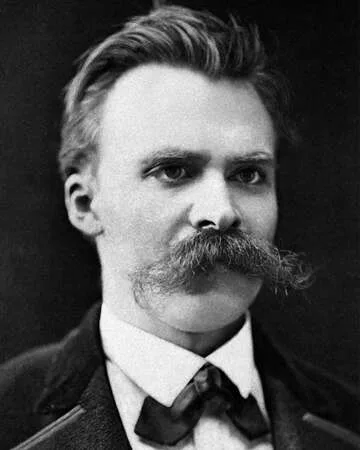
The Birth of Nietzsche's Autobiography, Ecce Homo
Friedrich Nietzsche's Milestone Birthday
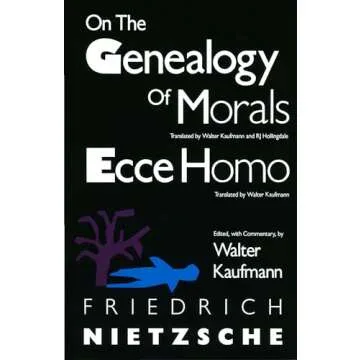
On his 44th birthday, Friedrich Nietzsche, the influential German philosopher, embarked on a monumental journey of self-reflection by beginning to write his autobiography entitled Ecce Homo. This unusual work became a window into his thoughts, beliefs, and the philosophical ideas that would shape modern thought. Written in 1888, it serves as both a personal record and a declaration of the values he championed, inviting readers to explore the mind of one of history's most provocative thinkers.
Nietzsche's Philosophical Context
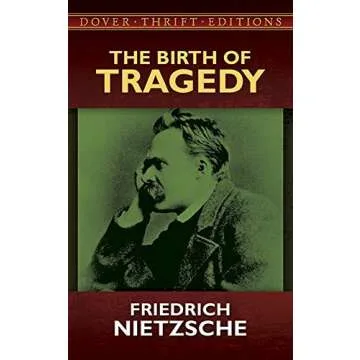
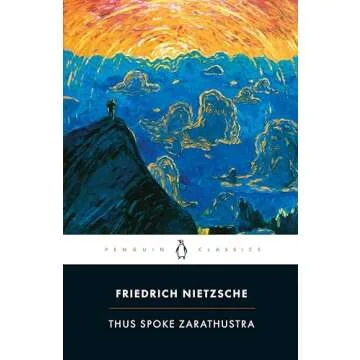
At this point in his life, Nietzsche had already established himself through works like The Birth of Tragedy and Thus Spoke Zarathustra. He was wrestling with various themes, including the concept of the Übermensch, morality, and the death of God. Ecce Homo captures these themes intertwining with his personal life—delving into his unique worldview and the tumultuous emotional experiences he faced.
Ecce Homo: A Deeper Insight
Keywords in Nietzsche's Life and Philosophy
In Ecce Homo, Nietzsche employed bold language and striking imagery to address his life and works. The title itself translates to "Behold the Man," suggesting a call for readers to examine his essence deeply. Through this autobiography, Nietzsche not only recounts his past but challenges societal norms and presents an unapologetic view of his philosophy. The chapters reveal his self-criticism and ambitions while providing insights into the struggles and triumphs that shaped him.
Lasting Legacy of Ecce Homo
Nietzsche's Ecce Homo remains an essential text for understanding modern philosophy. Its declaration of the "will to power" and critiques of traditional morality continue to resonate across disciplines, influencing fields like psychology, existentialism, and literary criticism. As a final work penned during his lucid years before his decline into health issues, it encapsulates the core views he championed throughout his life, making it a significant thematic collection.
Fun Fact
Nietzsche's Unique Writing Style
Known for his distinct literary voice, Nietzsche often infused humor and irony in his writings. In Ecce Homo, he humorously recounts his accomplishments and provocatively juxtaposes his philosophies against societal norms, showcasing a side of him that is both profound and entertaining.
Additional Resources
Recommended Reading on Friedrich Nietzsche
For those interested in diving deeper into Nietzsche's thought, consider reading Thus Spoke Zarathustra, The Birth of Tragedy, and Beyond Good and Evil. These works expand upon the foundational ideas Níetzsche articulates in Ecce Homo and offer further insight into his complex philosophy.



 Continue with Google