


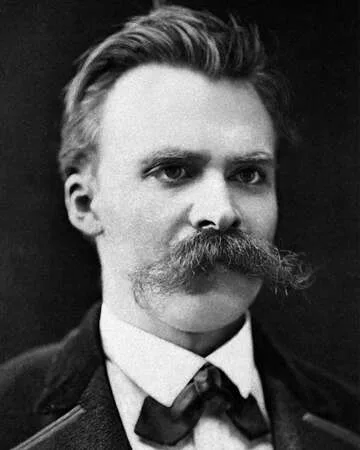
A Look Back at Friedrich Nietzsche
Friedrich Nietzsche’s Birth
Friedrich Nietzsche was born on October 15, 1844, in the quaint village of Röcken, situated in Saxony, Prussia. Renowned as one of the most influential philosophers in Western thought, Nietzsche’s ideas on morality, culture, and philosophy continue to provoke discussion and analysis today.
Early Life and Education of Nietzsche
From a young age, Nietzsche displayed prodigious talent in language and literature. He pursued his studies at the University of Bonn and later transferred to the University of Leipzig, where he immersed himself in the works of classical philosophers and composers. His academic journey led him to a professorship in philology at an impressively young age of 24.
The Philosophical Impact of Nietzsche
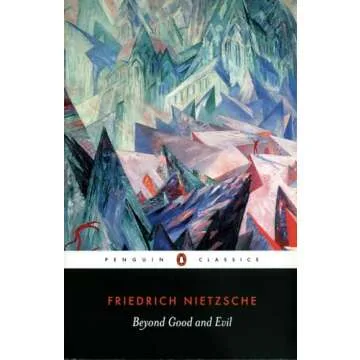
Key Works: Beyond Good and Evil
Nietzsche’s most notable works include Beyond Good and Evil, published in 1886, where he critiques traditional moral values and emphasizes the importance of individualism. With his concept of the "will to power," Nietzsche challenges conventional notions of morality and encourages a reevaluation of societal norms.
Influence on Modern Thought
Nietzsche's writings profoundly impacted various fields, including psychology, literature, and existential philosophy. His exploration of themes such as nihilism and the Übermensch reshaped the landscape of 20th-century philosophy and continues to inspire contemporary thinkers and creatives alike.
Fun Fact
Interesting Facts About Nietzsche
Did you know that Nietzsche initially studied to be a Lutheran minister but abandoned this path? His writings reflect a deep engagement with spiritual and philosophical questions, making him one of the most controversial yet celebrated figures in philosophy.
Additional Resources
Recommended Reading on Friedrich Nietzsche
For those eager to dive deeper into Nietzsche's thoughts, we suggest reading Thus Spoke Zarathustra and Ecce Homo, which explore his views on morality and existence.








 Continue with Google