


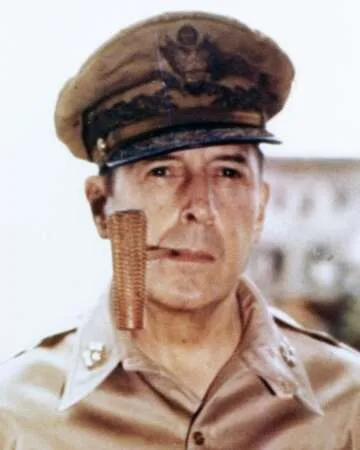
The End of an Era: Douglas MacArthur's Retirement
On April 11, 1951, one of America's most prominent military figures, General Douglas MacArthur, officially retired from the United States Army. This event marked not only the end of MacArthur's military career but also a significant moment in American history, as he had played pivotal roles in both World War I and World War II, as well as the Korean War. His retirement was steeped in controversy, reflecting the tensions between military leadership and civilian control of the armed forces.
Douglas MacArthur: A Military Icon
Born on January 26, 1880, in Little Rock, Arkansas, Douglas MacArthur was destined for a life of military service. He graduated from the United States Military Academy at West Point and quickly rose through the ranks due to his strategic brilliance and leadership qualities. MacArthur served in numerous capacities, such as Chief of Staff of the Army and Supreme Commander of Allied Forces in the Pacific during World War II. His success in orchestrating the Allied victory in the Pacific theater solidified his place as a military icon.
The Controversial Korean War Leadership
MacArthur's later role as Commander of United Nations forces during the Korean War put him in a spotlight of both glory and controversy. His audacious decision to launch an amphibious invasion at Inchon turned the tide in favor of the UN forces, but his subsequent push towards the Yalu River provoked a massive Chinese intervention. His outspoken criticism of the Truman administration's policies regarding the war eventually led to a clash with the President.
The Fallout of MacArthur's Dismissal
On April 11, 1951, following a disagreement with President Harry S. Truman over the conduct of the Korean War, MacArthur was relieved of his command and forced to retire. His departure was met with mixed reactions from the American public; while many admired his bravery and leadership, others believed he had overstepped his boundaries.
The Speech to Congress
Upon his retirement, MacArthur delivered an emotional farewell address to Congress on April 19, 1951. In this speech, he famously declared, "Old soldiers never die; they just fade away," capturing the sentiment of a whole generation of service members who had fought valiantly during wartime.
A Lasting Legacy
Douglas MacArthur's retirement did not diminish his influence; instead, he became a mythic figure representing the archetype of American military leadership. His strategies and decisions during the wars he participated in are still studied in military academies today, and his legacy continues to evoke strong sentiments of respect and admiration.
Fun Fact
MacArthur's Interests Beyond the Military
A lesser-known fact about Douglas MacArthur is his immense love for literature and writing. He published several works on military strategy and philosophy, and his writings provide insights not only into military tactics but also into leadership and governance.
Additional Resources
Recommended Reading on Douglas MacArthur
For those interested in learning more about Douglas MacArthur, consider reading American Caesar: Douglas MacArthur 1880-1964 by William Manchester and Duty: Memoirs of a Secretary at War by Robert M. Gates, which provide detailed accounts of his life and military career.






 Continue with Google