


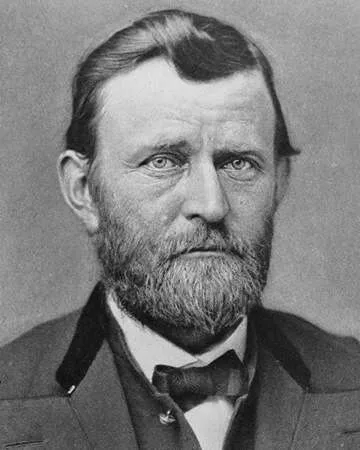
The Historical Significance of Grant and Red Cloud's Meeting
On the 6th of April, 1870, a momentous meeting unfolded at The White House, where Ulysses S. Grant, the 18th President of the United States, met with Red Cloud, the esteemed chief of the Sioux Nation. This meeting represented a critical moment in American history as it symbolized the complicated relationship between the U.S. government and Native American tribes, particularly post-Civil War.
The Background Leading to the Meeting
The backdrop to this significant meeting was fraught with tension. Following the Civil War, the U.S. government began expanding its territories into the lands traditionally held by Native Americans. The Bozeman Trail, which crossed through Sioux land, was a particular point of contention, leading to conflict and treaties that were often disregarded.
Forced Treaty Terms for Red Cloud
Chief Red Cloud was a key figure in advocating for the rights of the Sioux people, and his resistance against U.S. encroachments solidified his role as a leader. He famously led the Red Cloud’s War from 1866 to 1868, successfully pushing the U.S. Army out of the area. His meeting with Grant was crucial; it was an opportunity for dialogue and for Red Cloud to convey the grievances of his people directly to the President.
The Outcomes of the White House Meeting
The encounter aimed at fostering peace and understanding, yet the outcomes would have lasting effects. Grant sought to implement a policy of peace with Native Americans through a system of treaties and negotiations. Red Cloud's presence exemplified the need for the government to recognize the autonomy and rights of the Sioux.
Post-Meeting Implications for the Sioux
After the meeting, Grant's administration initiated policies intended to create reservations for the Sioux, but they were often met with distrust and skepticism. Although the meeting symbolized the hope for peaceful coexistence, many promises made by the government remained unfulfilled, leading to further tensions.
Legacy of Grant and Red Cloud's Interaction
This historic meeting, while portrayed optimistically, served as a reminder of the ongoing struggles faced by Native Americans. The dynamics established between Grant and Red Cloud foreshadowed future conflicts and negotiations that would influence Native American relations for years to come.
Fun Fact
Red Cloud's Vision for His People
Following this meeting, Red Cloud continued to advocate for his people, becoming an enduring symbol of Native American resistance and negotiation efforts during a time of significant change and turmoil in the United States.
Additional Resources
Recommended Reading on Ulysses S. Grant and Red Cloud
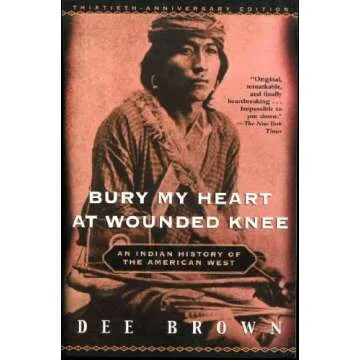
For those interested in delving deeper into this historical meeting and its context, consider reading "Grant" by Ron Chernow and "Bury My Heart at Wounded Knee" by Dee Brown, both of which provide greater insights into the lives and impacts of these historical figures.






 Continue with Google