


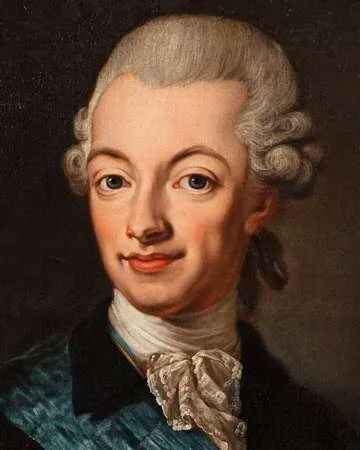
The Birth of a Monarch in Stockholm
Born on the 24th of January, 1746, in Stockholm, Gustav III was destined for greatness as the future King of Sweden. Son of King Adolf Frederick and Queen Louisa Ulrika, his early life was filled with the privileges and responsibilities that came with royalty. Yet, beyond the gilded hallways of the royal palace, young Gustav developed a penchant for the arts and literature, setting him apart from his predecessors. This passion would heavily influence his reign.
The Early Years of Gustav III
Gustav III’s education was meticulously crafted, emphasizing not only politics but also history, philosophy, and the arts. His upbringing infused him with a strong sense of duty towards his country, and he envisioned a Sweden that synergized culture with governance. This cultural renaissance would define his legacy.
Gustav III's Ascension and Vision
Upon ascending to the throne in 1771, he immediately embarked on numerous reforms aimed at strengthening the monarchy and stabilizing the kingdom. He is noted for creating the Swedish Academy and promoting theatrical arts, earning him the title "The Theater King." His vision was to foster a society where arts were not only appreciated but were also integrated into the very fabric of national identity.
The Legacy of Gustav III's Reign
Gustav III ruled until his death in 1792, with his reign marked by both progress and conflict. He implemented significant policies that modernized the Swedish administrative system, but his ambitious foreign policy led to various conflicts, particularly with Russia. Nevertheless, his efforts in promoting the arts left an indelible mark.
The Impact of Gustav III on Swedish Culture
Gustav III’s influence on culture was immense. He established Royal Dramatic Theatre, which became a hub for playwrights and artists. He was also a patron of many renowned artists and composers of his time. His passion for drama and the arts sculpted the cultural identity of modern Sweden.
Political Turbulence and Assassination
Despite his contributions, Gustav III faced considerable opposition and unrest within his kingdom, particularly due to his autocratic style of ruling. His reign ended tragically when he was assassinated at a masked ball in 1792, a shocking event that ultimately highlighted the precarious nature of his rule.
Fun Fact
Gustav III's Love for Theatre
One of Gustav III's lesser-known passions was his deep commitment to theater. He personally wrote several plays, with one of his most famous being "Gustav Vasa", which celebrated Swedish history and heroism.
Additional Resources
Recommended Reading on Gustav III
For those interested in diving deeper into the life of Gustav III, consider reading "Gustav III: A Biography" by Naima Wray, as well as "The King Who Scared Europe: Gustav III of Sweden and His Times" by Richard Steig. These works provide detailed insights into his reign and cultural impact.










 Continue with Google