


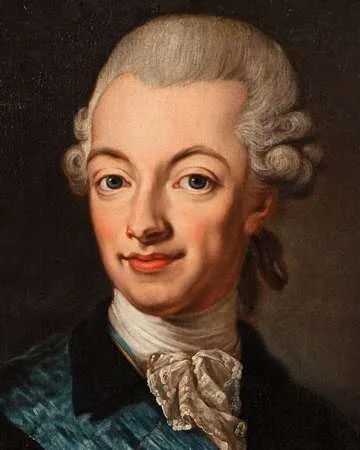
King Gustav III's Rise to Power
On May 29, 1771, the Kingdom of Sweden witnessed a significant transition of power with the ascension of King Gustav III following the death of his predecessor, Adolf Frederick. Gustav III, born on January 24, 1746, was the son of King Adolf Frederick and Queen Luisa Ulrika. Gustav's reign marked a pivotal moment in Swedish history, as he sought to strengthen the monarchy and appeal to the tastes of the Enlightenment by implementing ambitious reforms across the nation.
Adolf Frederick and the Need for Change
Prior to Gustav's reign, King Adolf Frederick, who ruled from 1751 until his death in 1771, faced challenges due to his more passive governance style. His rule left Sweden in a precarious political position, struggling with the influence of parliamentary factions, which contributed to widespread desire for a stronger executive leader. As Gustav III ascended the throne, optimism surrounded his abilities and vision for revitalizing the Swedish monarchy.
Gustav III's Vision for Sweden
With a strong passion for culture and the arts, Gustav III aimed not only to consolidate his power but also to usher in a cultural renaissance. His reign would later be characterized by elaborate theatrical productions, the founding of the Swedish Academy, and patronage of artists and intellectuals that reflected his commitment to the Enlightenment ideals.
The Unfolding Reforms during Gustav III's Reign
Gustav III's reign extended until his assassination in 1792, during which time he instituted various reforms aimed at modernizing Sweden. He aimed to strengthen royal authority through a series of political maneuvers and legal reforms that sought to minimize the power of aristocracy.
Political Reforms under King Gustav III
One of the most significant changes during his **authoritative** governance was the implementation of a new constitution in 1772. This constitution reduced the influence of the council and enabled the king to rule without parliamentary interference, a bold move that established **monarchical supremacy** within the political spectrum of Sweden.
Cultural Contributions by King Gustav III
Beyond his political initiatives, Gustav III was also known for his cultural contributions. His love for theatre led to the establishment of the Royal Swedish Opera and Royal Dramatic Theatre in Stockholm. These institutions played a crucial role in the cultural development of Sweden and showcased the artistic talents of the era.
Fun Fact
Gustav III's Theatrical Passion
In an interesting twist, Gustav III often took to the stage himself, performing in various productions as a means of expressing his love for the arts and connecting with his subjects, showcasing the unique blend of politics and passion that defined his reign.
Additional Resources
Recommended Reading on King Gustav III
For those interested in a deeper exploration of King Gustav III and his significant impact on Sweden, consider reading "Gustav III: The King Who Gave Sweden a Renaissance" and "The Royal City of Stockholm: A Historical Overview of the Gustavian Period". These works provide insights into his life, reign, and contributions to Swedish history.











 Continue with Google